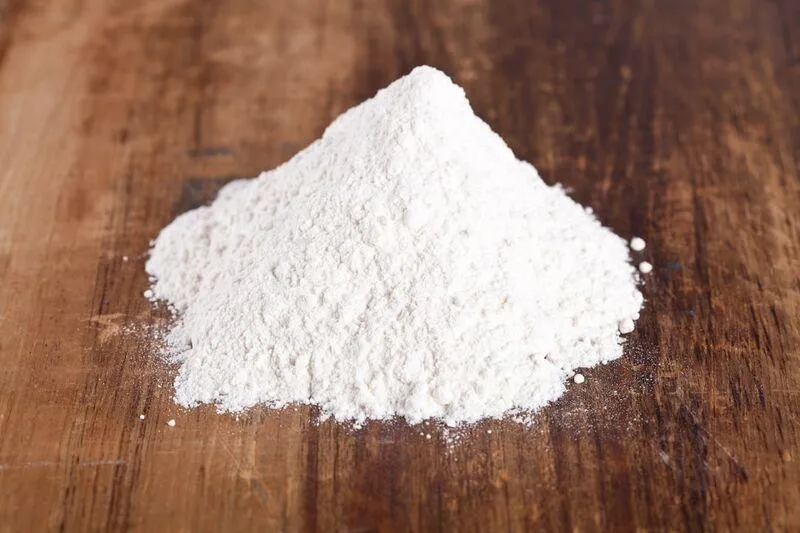
Understanding Potassium Sorbate: Uses, Benefits, and Safety Insights
If you've ever picked up a packaged food item and glanced at the ingredients list, chances are you've seen something called potassium sorbate. It's one of those ingredients that seems to pop up everywhere, yet many of us don't know much about it. So, what's the deal with potassium sorbate? Let's dive in and find out.
The Basics of Potassium Sorbate
First off, potassium sorbate is a type of salt derived from sorbic acid and potassium hydroxide. Sounds a bit technical, right? But don't worry, it's not as complicated as it sounds. This compound is primarily used as a food preservative. Why? Because it helps keep our food safe by preventing the growth of mold, yeast, and some bacteria. It's like a little invisible shield that extends the shelf life of food products. Handy, isn't it?
You might be thinking, "Why not just let food be natural?" Well, the reality is, in our fast-paced world, we can't always eat everything fresh. That's where preservatives like potassium sorbate come in. They make it possible for us to enjoy foods that are safe and last longer. Plus, they help reduce food waste, which is a big win for the environment. By extending shelf life, potassium sorbate allows for a more efficient distribution and storage process, ensuring that food products can reach consumers in distant locations without compromising quality.
Additionally, potassium sorbate’s role extends beyond just preservation. It helps maintain the flavor and appearance of food, ensuring that when you open a package, the contents are just as appealing as they were when they were first packaged. This is particularly important for products like cheese and wine, where taste and presentation are key to consumer satisfaction.
Where You'll Find Potassium Sorbate
Now, let's talk about where you might encounter this preservative. It's commonly found in a wide range of foods, from cheeses and baked goods to fruit juices and wines. It's even used in some dietary supplements and personal care products like lotions and shampoos. Basically, if it's something that can spoil, there's a good chance potassium sorbate might be involved.
So, what's its role in these products? In foods, it acts as a preservative to keep things fresh and tasty. In personal care items, it prevents the growth of microbes, ensuring the product remains safe for use over time. It’s kind of like having a trusty sidekick that keeps things in check. Imagine your favorite muffin staying moist and delicious or your go-to shampoo remaining effective and safe to use, thanks to this unassuming additive.
Is Potassium Sorbate Safe?
Here's a question that's probably crossed your mind:Is potassium sorbate safe? The short answer is yes. It's considered safe for consumption by major health organizations, including the U.S. Food and Drug Administration (FDA) and the European Food Safety Authority (EFSA). These agencies have done the legwork to ensure that when used within recommended limits, potassium sorbate poses no risk to human health.
But, as with anything, moderation is key. While it's safe, consuming excessive amounts of processed foods with preservatives is not ideal. It's all about balance, right? Enjoy your favorite packaged foods, but remember to include fresh foods in your diet too. This ensures you get a well-rounded nutritional profile and avoid any potential negative effects of over-reliance on processed items.
Potassium Sorbate and Allergies
Now, let's touch on allergies and sensitivities. Some people may wonder if potassium sorbate can cause allergic reactions. Generally, it's quite rare. Most people can consume products with this preservative without any issues. However, if you have sensitive skin or a history of allergies, it's always wise to do a patch test for personal care products or consult with a healthcare professional if you have concerns about dietary intake.
At the end of the day, being informed is your best defense. Understanding what's in your food and products helps you make choices that are right for your health and lifestyle. Knowing that potassium sorbate is generally safe can ease concerns, but it's always good to stay informed about all ingredients in the products you use daily.
How Is Potassium Sorbate Used in Industry?
Switching gears a bit, let's look at how this preservative is used in industry. It's not just about sprinkling it into products and calling it a day. The application process involves precise measurements and adherence to safety standards to ensure the right balance is achieved. This careful handling is crucial for maintaining the effectiveness of potassium sorbate while ensuring consumer safety.
Industries often use potassium sorbate in its granular or powder form, dissolving it into solutions that are then mixed into food or cosmetic products. This ensures even distribution and optimal preservation. It's a bit like a well-choreographed dance where every step counts. This meticulous process not only guarantees product safety but also maximizes the preservative’s effectiveness, ensuring consumers receive high-quality goods.
Fun Facts About Potassium Sorbate
Let's lighten things up with some fun facts! Did you know that sorbic acid, the core component of potassium sorbate, was first derived from the berries of the rowan tree? This natural origin is a little-known tidbit that adds an interesting twist to the story of this preservative.
Another cool fact: Potassium sorbate is not just a modern marvel. It has been used in food preservation for decades, dating back to the 1850s when it was first discovered. It's like a veteran in the world of food science, quietly doing its job through the ages. Its long history of use underscores its reliability and effectiveness as a preservative, making it a cornerstone in the food industry.
Personal Thoughts on Potassium Sorbate
Now, you might be wondering about my personal take on potassium sorbate. Honestly, I think it's a pretty neat ingredient. In a world where we're constantly juggling busy schedules, having preservatives that ensure food safety and longevity is invaluable. Of course, fresh is best, but when that's not possible, it's comforting to know that science has our backs.
And here's a little secret: Next time you pick up a packaged food item, take a moment to look at the ingredients list. Spotting potassium sorbate might just give you a tiny thrill, knowing you now understand a bit more about what it does and why it's there. It’s a small reminder of the fascinating interplay between science and everyday life and how seemingly simple ingredients play vital roles in keeping our modern lifestyles running smoothly.
In conclusion, potassium sorbate plays a crucial role in preserving the foods and products we use every day. It's a silent guardian, if you will, ensuring that we can enjoy our favorite items safely and for longer periods. So, the next time you see it on a label, you'll know it's doing its job, allowing us to savor life's little pleasures without worry. Click here to learn more
Curious to learn more about food ingredients and what goes into your products? It's a fascinating world out there, and the more we know, the better choices we can make. Embracing this knowledge empowers us to make informed decisions, ensuring a healthier and more sustainable lifestyle for ourselves and future generations.


