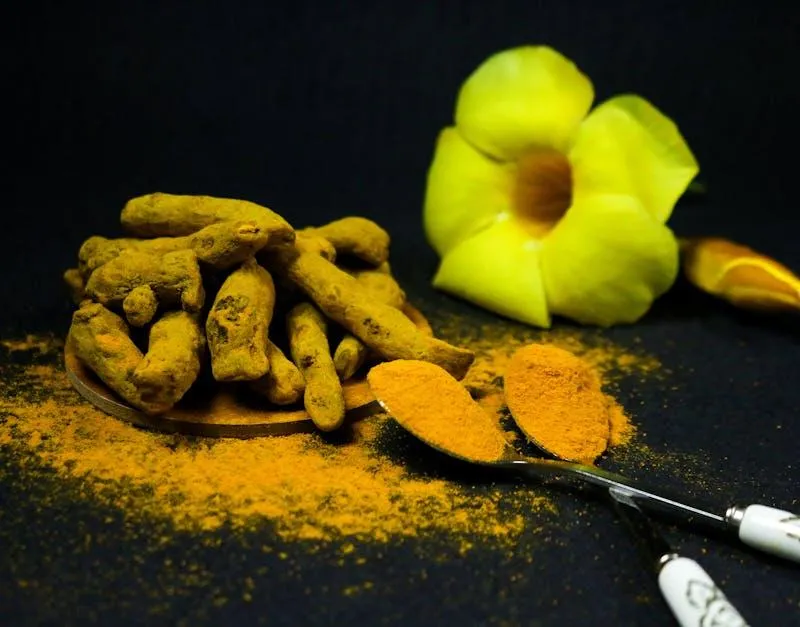
A Comprehensive Guide to USP Certified Turmeric: Understanding Standards, Verification, and How to Source Safely
Introduction and rationale for USP certification of turmeric 🚦
What USP is and why it matters for turmeric
USP certification signals to brand owners, contract manufacturers, retailers, and consumers that a turmeric material has met well-defined quality criteria, not merely marketing claims, and is a reminder of broader discussions on certified ingredients, such as top clean label protein powders: a definitive guide to certified options.
In a crowded marketplace, USP certification helps your products stand out by offering a third-party, science-driven validation that aligns with clean-label, transparency-driven consumer expectations, a concept reinforced in Highest Quality Vitamins: The Comprehensive Buyer's Guide to Trusted Supplements.
What the USP Verified program covers for turmeric
The USP Verified program encompasses several pillars: identity (confirming the material is turmeric and that origin claims are credible), purity (absence of prohibited adulterants and contaminants), potency (accurate levels of key constituents like curcuminoids), safety (adherence to contaminant limits, microbiological specs, and toxicants), and labeling integrity (accurate product information and dosage forms). When a turmeric ingredient or finished product earns USP Verification, it has undergone rigorous testing, documentation review, and ongoing compliance checks that help protect your supply chain and your customers.
Why USP certification enhances trust in a dynamic global market
For turmeric products, the turmeric usp certified standard provides a transparent, auditable trail from raw material to finished product.
What USP Certification Guarantees for Turmeric 🎯
Purity and identity: accurate description and freedom from unapproved adulterants
Purity and identity verification ensures that the turmeric material described on the label truly is turmeric or a valid turmeric extract and that it does not contain adulterants that could compromise safety or potency. The testing looks for botanically accurate markers and rejects materials that misrepresent composition or origin. This aspect is critical when turmeric is used as a key active or functional ingredient in both dietary supplements and cosmetic formulations.
Potency and composition: validated levels of key constituents
USP verification, evidenced by the USP Verified status, confirms that labeled potency aligns with measured ranges and that batch-to-batch variability remains within acceptable limits.
Safety and labeling integrity: contaminant limits and accurate labeling
Safety testing includes screening for heavy metals (like lead and arsenic), pesticide residues, and microbiological specs, along with monitoring for potential adulterants. Accurate labeling ensures that allergen declarations, usage directions, dosage forms, and storage conditions are truthful and traceable. Together, these factors reduce regulatory risk and strengthen consumer confidence in your turmeric-based products.
How USP Verification Works for Turmeric 🧪
Identity testing: reference standards and origin confirmation
Identity testing uses validated reference standards and advanced analytical techniques to confirm that a material is indeed turmeric and to verify its botanical origin. The process helps distinguish true turmeric from similar-looking botanicals or mislabeled extracts. For manufacturers, this reduces the risk of substituting inferior or adulterated materials into formulations.
Comprehensive testing for contaminants, heavy metals, pesticides, and adulterants
USP laboratories conduct a battery of safety-oriented analyses, including heavy metals via ICP-MS, pesticide residue screening, and microbial limits testing. Adulterant screening may involve targeted assays for common adulterants in turmeric supply chains. The goal is to ensure products meet strict safety thresholds before they reach consumers.
Label review, facility audits, and ongoing compliance
Beyond analytical testing, USP Verification involves reviewing product labels for accuracy and completeness and auditing manufacturing facilities to confirm good manufacturing practices (GMPs) are in place. Ongoing compliance requires periodic re-verification to maintain status, ensuring continuous alignment with evolving USP standards and regulatory expectations.
Understanding Labeling and the USP Verify Mark 🏷️
The USP Verified mark and third-party assurance
The USP Verified mark signals independent verification of safety, quality, and labeling integrity. For turmeric products, it communicates that the material has undergone USP’s rigorous evaluation and that the product adheres to defined specifications, giving retailers and consumers a recognizable indicator of reliability.
Locating the verification number on packaging
Packaging bearing the USP Verification mark typically includes a lot- or batch-specific verification number. This identifier links directly to the documentation and test results that substantiate the product’s verified status. Consumers or customers can use this number to validate authenticity within official USP records or through documentation provided by the manufacturer.
Verifying status via the official USP database
To verify status, you can access USP’s online database and query the product name, manufacturer, or verification number. While the database is a primary resource, you may also request a formal verification certificate or a Certificate of Analysis (COA) from the producer. This process helps ensure ongoing transparency and traceability for your turmeric supply chain.
Product Formats and Examples of USP-Certified Turmeric 🌿
USP-certified turmeric powder (bulk ingredient for formulators)
USP-certified turmeric powder is designed for formulators and manufacturers who need a reliable, standardized starting material. It supports consistent color, aroma, and bioactive content in powders used for cosmetics formulations and ingestible products. For contract manufacturers, using USP-certified powders reduces variability in downstream processing and batch performance.
USP-certified turmeric capsules/tablets (consumer supplements)
In the consumer supplement space, turmeric capsules or tablets carry the USP Verified mark to demonstrate that the product’s claims align with its content. This format is particularly attractive to retailers seeking a trusted, easy-to-market product with proven safety and labeling accuracy.
USP-certified turmeric extract/curcumin concentrate (standardized active constituents)
Extracts and standardized curcumin concentrates offer higher potency and more predictable dosing. USP verification here ensures the standardized active constituents meet defined ranges, which is critical for consistency in formulation development and for maintaining label accuracy in both dietary supplements and topical products.
Current Market Trends and Supply Chain Considerations 📈
Rising consumer demand for USP-certified turmeric
As consumers increasingly prioritize safety, traceability, and authenticity, the demand for USP-certified turmeric has grown. Brands leveraging USP verification can differentiate products in crowded categories by offering substantiated quality claims, especially in clean-label and natural-product segments where transparency is paramount.
Key sourcing regions and the importance of traceability
India remains a dominant source of turmeric, with Southeast Asia and parts of the Pacific region contributing meaningful supply. Traceability from farm to finished product helps ensure ethical sourcing, sustainable farming practices, and consistent quality. For contract manufacturers like Ingredientsage, robust supplier qualification and documented sourcing pathways reduce risk in private-label programs.
Impact of supply-chain disruptions and regulatory changes
Climate variability, geopolitical factors, and regulatory shifts can affect turmeric availability and pricing. USP-certified supply chains emphasize risk assessment, multiple sourcing options, and ongoing QA testing to mitigate disruption impacts. Staying aligned with USP standards can also streamline regulatory interactions in different markets and support faster market entry for new products.
"Quality systems that emphasize traceability and third‑party validation help brands weather supply interruptions while maintaining consumer trust."
Testing Methodologies Employed by USP for Turmeric 🧬
Identity and authenticity tests
Identity testing often relies on chromatographic profiling of curcuminoids and other characteristic markers, compared against validated reference standards. These methods confirm material identity and help distinguish genuine turmeric from substitutes or adulterants in both powders and extracts.
Potency analysis focusing on curcuminoids
Potency testing quantifies curcumin, demethoxycurcumin, and bisdemethoxycurcumin, ensuring labeled percentages reflect actual content. Consistency across batches is essential for predictable formulation performance and for meeting consumer expectations for advertised benefits.
Purity and safety testing for contaminants and adulterants
Safety testing covers heavy metals, pesticide residues, microbial limits, and screening for potential adulterants. This comprehensive safety net protects consumers and reduces recall risk for brands relying on turmeric as a core ingredient.
Sourcing USP-Certified Turmeric: Practical Guidance for Consumers and Businesses 🧭
How to verify USP status on packaging and via the USP database
Begin with the packaging: locate the USP Verified mark and its corresponding verification number. Then, cross-check the product in USP’s online database or request a formal verification certificate from the manufacturer. Lot-specific verification ensures ongoing compliance, not just a single test.
Documentation to request: COA, product dossiers, and verification certificates
Request a certificate of analysis (COA) and the product dossier that outlines testing methods, acceptance criteria, and batch results. For private-label and contract-manufacturing engagements, establish a standard set of documentation to accompany every order and ensure it travels with the product through the supply chain.
Assessing supply chain risk and traceability
Evaluate supplier qualifications, QA testing regimes, and traceability records. Build a robust supplier-qualification program that includes on-site audits, quarterly QA reviews, and document retention for audit readiness. A transparent supply chain supports continuous USP verification and reduces the likelihood of sudden certification changes affecting products on the market.
Case Studies and Practical Scenarios 📚
Hypothetical brand case: achieving USP verification for turmeric
Imagine a mid-sized brand launching a turmeric-based dietary supplement. By partnering with a contract manufacturer that sources USP-certified turmeric, the brand aligns its private-label production with robust QA, batch traceability, and transparent labeling. The result is a smoother regulatory review, faster go-to-market, and increased consumer trust driven by verifiable quality claims. The key lesson is that early alignment with a verified material reduces downstream bottlenecks and marketing risks.
Retailer private-label case: ensuring only USP-certified turmeric is used
A retailer seeking private-label partnerships adopts a policy that all turmeric ingredients must carry USP Verification. They implement a supplier-qualification checklist, require COAs with lot-specific data, and conduct random batch audits. When a non-conforming lot is detected, the retailer initiates a recall-ready communication plan and collaborates with the supplier to remediate, ensuring product integrity remains intact for customers.
Common pitfalls and strategies to avoid misleading claims
Pitfalls include vague language (e.g., "high quality turmeric" without substantiation), relying on outdated certifications, or failing to provide lot-specific documentation. The antidote is a disciplined documentation trail: verify the USP mark, review COAs, confirm lot-specific status, and maintain an auditable history of supplier communications and compliance actions.
Implementation Guide for Businesses: Steps to Source USP-Certified Turmeric 🛠️
Define supplier qualification criteria
Create a standardized set of criteria for selecting turmeric suppliers, including verification of USP status, geographic origin, farming practices, and recent QA performance. This framework guides supplier selection and reduces negotiation friction during ramp-up for new products.
Perform supplier audits and establish qualification documentation
Conduct on-site or remote audits to assess GMP compliance, traceability systems, and documentation readiness. Require suppliers to provide COAs, Certificates of Origination, and evidence of routine QA testing. A formal supplier-qualification package supports faster onboarding for private-label projects.
Integrate ongoing QA testing, batch release, and verification checks
Embed QA tests into procurement workflows, linking batch release to QA results and USP verification status. Establish a routine for re-verification after any process changes or supplier substitutions. This disciplined approach minimizes disruptions to formulation development and production schedules.
Maintain comprehensive documentation and recall readiness
Keep a centralized repository of COAs, verification certificates, lot traceability records, and supplier communications. Develop a recall protocol that can be activated quickly if USP status changes for any batch, protecting both consumers and brand integrity.
Consumer Checklist and Quick Tips 🧾
Look for the USP Verified mark and validate the status.
When shopping for turmeric products, verify the USP Verified mark and use the verification number to confirm the status in USP’s database. This simple step helps ensure the product meets defined quality criteria before purchase.
Review the certificate of analysis and obtain lot-specific documentation
Always request the COA and any lot-specific test results. Lot-level data reveals whether the batch meets potency, purity, and safety specifications and supports traceability across the supply chain.
Avoid vague or unsubstantiated quality claims
Be cautious of marketing language that lacks concrete documentation. Prioritize products with transparent, verifiable documentation and a clear path to ongoing verification.
Conclusion and Next Steps 🔍
Recap and action-oriented guidance
USP-certified turmeric offers a robust framework for ensuring identity, potency, safety, and labeling accuracy. For cosmetics and dietary supplement brands, engaging with USP-certified materials can streamline formulation development, support private-label programs, and strengthen retailer and consumer trust. As market dynamics evolve, maintain ongoing supplier collaboration, stay current with USP standards, and invest in a rigorous documentation program that keeps you ready for audits, recalls, and new product launches.
Next steps for brands and manufacturers
If you are considering turmeric sourcing through a private-label or contract-manufacturing partner, start by evaluating their access to USP-certified materials, their QA and traceability programs, and their readiness to provide lot-specific documentation. For Ingredientsage and similar partners, emphasize organic and natural supply chains, fast go-to-market capabilities, and a commitment to rigorous testing and transparent labeling to meet evolving consumer expectations.


