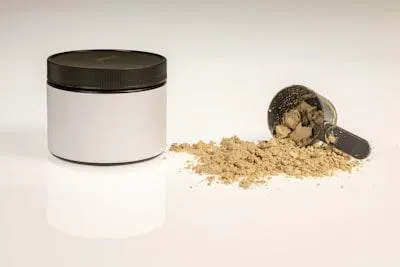
Organic Protein Powder Without Stevia: A Practical Buyer's Guide to Clean, Tasteful Options
Why Organic, Stevia-Free Protein Powder Matters for Your Brand 🏷️🌱
For dietary supplement brands—whether you’re scaling existing lines or launching new products—the ability to offer truly organic, stevia-free protein powders with robust third‑party testing and clear labeling is a strategic differentiator; organic egg white protein powder: the ultimate buyer's guide to purity, nutrition, and value offers a comprehensive overview.
For brands partnering with a one-stop manufacturer like Ingredientsage, the result means fewer supply-chain surprises and tighter QA controls across ingredients, processing, and packaging—see Organic Protein Vanilla Bean: The Comprehensive Buyer's Guide for deeper context.
Industry insight: Clean-label programs succeed when you couple organic sourcing with rigorous third-party testing, clear product storytelling, and reliable scale-up—all achievable through a capable contract manufacturer.
Protein Bases: Pea, Rice, Hemp, Soy — Pros, Cons, and Practical Takeaways 🧪🥤
Choosing the right protein base is foundational to taste, texture, amino acid profile, and allergen considerations. Below is a practical snapshot you can apply when evaluating stevia-free options for private-label development or contract manufacturing. Note that many successful formulas blend bases to achieve complete amino acid coverage and balanced flavor.
Pea Protein
Pea protein is the leading plant-based option for stevia-free formats due to its neutral flavor and good digestibility. It’s naturally dairy-free and gluten-free, making it a versatile base for vegan lines and cross-category products. However, its amino acid profile is not complete on its own, typically missing adequate methionine; many formulators pair pea with other proteins to achieve a complete profile. In labeling, pea blends often carry declarations like "complete amino acid profile when combined with rice" and may highlight fermentation-assisted or clean extraction methods to reassure consumers about processing.
Common practical notes: moderate allergen risk (consumer perception often neutral on peas), grain-free and soy-free options available, and strong binder properties that help with texture in powders and ready-to-mix beverages. Expect a mild, earthy aftertaste in very high concentrations if unflavored, which is often mitigated by natural flavor systems or gentle processing techniques.
Expert tip: For brands prioritizing clean labels, pea–rice blends are a reliable route to a complete amino acid profile without stevia or artificial sweeteners.
Rice Protein
Rice protein offers a creamy mouthfeel and is naturally hypoallergenic, which is attractive for sensitive consumer segments. It is not a complete protein on its own (low in lysine), so blends are common to balance amino acids. It tends to be easy on the stomach but can have a slightly gritty texture if not properly milled or emulsified. For stevia-free products, rice protein serves well in neutral or lightly flavored formulations, and it commonly appears in clean-label blends to improve texture without relying on dairy or soy.
Label-reading takeaway: look for “fermented rice protein” or “brown rice protein” with clear processing details. Verify that the supplier provides a robust COA covering heavy metals, microbials, and allergen controls. In sensory testing, rice often pairs well with mild natural flavors that complement a clean, refreshing finish.
Hemp Protein
Hemp protein delivers a distinctive nutty flavor and a decent amino acid mix. It’s inherently free from dairy and suitable for vegan formulas, but it can impart a more pronounced taste and darker color. Texture tends to be a bit grittier unless carefully milled and filtered, and some consumers perceive an earthy aftertaste. Hemp is also associated with additional health-supporting fatty acids, which can be a selling point in wellness-focused brands.
Allergen considerations are favorable for most consumers, yet the price point can be higher than other bases due to cultivation and extraction nuances. When formulating stevia-free products, hemp is often used in blends to create a unique position in the marketplace rather than as a stand-alone base.
Soy Protein
Soy provides a complete amino acid profile and generally strong texture and mouthfeel, which makes it a reliable option for unflavored formats. It’s widely available and cost-effective, but some consumer segments avoid soy due to allergies or perceived allergen concerns. If you choose soy, ensure a non-GMO, organic supply chain and document allergen controls clearly on the label to satisfy both retailers and end-users.
Blending soy with other bases (e.g., pea or rice) is a common strategy to optimize texture, flavor, and nutrition while keeping the stevia-free profile intact. As with all bases, the end goal is a stable, scoop-friendly powder that dissolves cleanly in water or milk alternatives.
Bottom line for protein bases: the best approach often combines two or more proteins to achieve complete amino acids, balanced texture, and a clean taste that aligns with your brand’s clean-label promise. Your private-label partner can help design blends, set target amino acid scores, and optimize mouthfeel without relying on artificial sweeteners.
Sweeteners and Taste: Monk Fruit, Allulose, and Erythritol—Balancing Flavor with Clean Labels 🍯🧊
In stevia-free formulations, the choice of sweetener is central to consumer acceptance. The trio below is the most common toolkit for organic, stevia-free protein powders:
Monk fruit extract (mogrosides)— zero calories with a natural fruit‑derived sweetness. It’s popular in clean-label products, but some consumers perceive a lingering aftertaste if used in high concentrations or without balancing flavors.
Allulose— a low-calorie sweetener that mimics sugar’s mouthfeel with minimal aftertaste. It can help achieve a more sugar-like sweetness level, improving palatability in high-protein formulas. Availability and price can vary by region and supplier.
Erythritol— a sugar alcohol with near-zero calories and good cooling properties. It’s well-tolerated by many people, but in some individuals it can cause digestive discomfort at higher doses, so formulation and serving sizes should account for tolerance.
Practical labeling notes: consider clearly labeling the sweetener system (e.g., “monk fruit and allulose” blend) and providing a flavor profile in product pages and private-label briefs. Sensory testing is essential: some blends work better with vanilla or chocolate bases, while others excel in unsweetened or lightly flavored formats. When evaluating supplier capability, request supplier COAs that show sweetener purity, any processing aids, and potential allergen cross-contact.
Expert guidance suggests using a balanced blend of sweeteners to achieve sugar‑like sweetness without aftertaste or GI discomfort.
“Stevia-free sweetening strategies shine when you combine a subtle, natural sweetener with a complementary flavor system and mindful texture engineering,” says a leading private-label formulation specialist.
Certifications, Label-Reading, and Third-Party Testing 🧪✅
When you’re building a stevia-free organic protein product for the dietary supplement markets, certifications and testing are not optional—they’re a differentiator. Key certifications to prioritize include:
USDA Organic or regional organic certifications for the finished product and major ingredients (95%+ organic ingredients for many standards).
Non-GMO Project Verified to reassure shoppers about seed sourcing and processing.
Gluten-Free, Certified Dairy-Free, and Non-GMO status when relevant to your base ingredients.
NSF Certified for Sport or USP Verified for brands targeting athletes and third-party validation circles.
Clean Label Project or similar clean-label certifications that emphasize contaminant testing (heavy metals, pesticides) and label transparency.
In practice, you should demand a current COA for each lot with data on heavy metals (lead, arsenic, cadmium, and mercury), microbials, pesticide residues, and amino acid composition if applicable. A robust labeling approach also requires clear allergen statements and process- and facility-level disclosures to avoid cross-contact concerns. Third-party testing lends credibility that in-house QA alone cannot achieve.
Quote from industry observer: “The brands that win are the ones who publish traceable sourcing, independent lab results, and transparent processing methods—consumers respond to that level of clarity.”
Allergen Considerations, Sustainability, and Sourcing 🌿🧭
Allergen management is non-negotiable in private-label manufacturing. Even if a protein base is naturally allergen-free, cross-contact risk exists in facilities handling dairy, soy, peanuts, or gluten. Contemporary programs emphasize facility segregation, dedicated line runs, and rigorous cleaning protocols. Organic certification often aligns with tighter sustainability criteria, but you should still verify packaging materials (recyclability, labeling claims) and emissions considerations tied to production and transport.
From a sustainability lens, brands are increasingly prioritizing transparent sourcing, regenerative agriculture practices, and carbon-conscious logistics. Packaging decisions—such as recyclable or compostable containers and minimal plastic use—are now part of the product narrative, not afterthoughts. If your private-label partner offers farm-to-powder traceability, it’s worth capitalizing on those capabilities to support your marketing and retailer storytelling.
For sensitive consumer segments, explicit allergen declarations and clear, precise ingredient lists contribute to trust. A well‑built stevia‑free organic powder should provide straightforward, legible labels and verifiable ingredient provenance to minimize consumer confusion and maximize confidence.
Value, Private-Label Capabilities, and Turnaround: How to Choose a Manufacturer 🏭⏱️
Choosing a private-label partner is as much about process as it is about ingredients. Look for end-to-end capabilities: from raw material sourcing and COA suite to custom formulation and packaging, with a clear path to scale and regulatory compliance. A strong partner will:
Offer stock formulas plus the ability to develop custom formulas aligned with your organic, stevia-free requirements.
Provide certified organic ingredient streams and meticulous QA controls, including heavy-metal screening and microbial testing.
Deliver a fast, reliable turnaround with scalable production, capsule and powder formats, and packaging options that support your brand story.
Ingredientsage distinguishes itself as a turnkey partner for cosmetics and dietary supplements by delivering private-label and contract manufacturing with a focus on organic, natural, and clean-label ingredients. They offer end-to-end services—from sourcing raw materials to final packaging—across powders, capsules, and liquids, with stock formulas and custom developments designed for rapid market entry.
In industry conversations, a veteran contract manufacturer notes: “The enterprise-grade private-label partner must reduce risk with solid QA, transparent sourcing, and the flexibility to adapt formulation and packaging to changing retailer requirements.”
How to Buy: Actionable Steps to Select Stevia-Free Organic Protein Powder 💡🛒
Use the following steps as a practical checklist when evaluating stevia-free organic protein powders for private-label or contract manufacturing:
Define your base (pea, rice, hemp, soy, or blends) based on target nutrition, allergen constraints, and flavor goals.
Specify certificationsrequired for brand positioning (e.g., USDA Organic, Non-GMO, gluten-free).
Request full COAs and product specifications for heavy metals, pesticides, microbial limits, and amino acid profiles.
Evaluate sweetener strategy (monk fruit, allulose, erythritol) and obtain sensory data from blind taste tests with your target consumer.
Ask about private-label capabilities—lead times, MOQs, packaging options, labeling support, and regulatory compliance assistance.
Inspect sustainability claims—sourcing provenance, farm practices, and packaging recyclability.
Prototype and testwith 2–3 samples in real-use conditions (water, dairy alternatives, smoothies) to assess solubility, mouthfeel, and taste.
To minimize hidden fillers, scrutinize the ingredient panel for minimal additives and avoid terms like “natural flavors” without specificity. Ask for a complete ingredient glossary, including processing aids and any clarifications on colorants, anti-caking agents, or stabilizers.
Market Trends: Clean-Label, Transparency, and Stevia-Free Availability 🗺️📈
The broader market is trending toward clean-label formulations, with an emphasis on transparency in sourcing and a growing number of stevia-free, organic options. Consumers associate stevia-free products with a more neutral flavor and fewer reported aftertastes, which aligns with premium positioning for wellness brands and cosmetic line extensions alike. Regulatory bodies are also increasing focus on complete labeling transparency and consistent allergen disclosures, reinforcing the value of robust third-party testing and supply chain traceability.
AS A PRIVATE-LABEL PARTNER, you should leverage these trends by highlighting your organic certifications, your supplier disclosure practices, and your capacity for rapid go-to-market without compromising quality. This approach supports retailer expectations for traceability and accountability while maintaining the sensory quality that customers expect from a premium protein powder.
Red Flags and Practical Guardrails 🚨🧭
Watch for vague ingredient lists, inconsistent COAs, or lack of transparency around sourcing. Red flags include a long list of additives, undisclosed processing aids, or ambiguous statements about organic integrity. Ensure your partner can demonstrate robust quality systems (ISO 9001 or equivalent), ongoing supplier audits, and a clear plan for preventing cross-contamination. If a supplier can’t provide a current, verifiable COA for each lot or cannot commit to steady lead times, re-evaluate. Your private-label program should feel like a partnership—one that protects your brand through every stage of production.
Final takeaway: choose a partner who can align organic integrity with a clean-label promise, provide transparent documentation, and support you from formulation through packaging and QA checks. This alignment reduces risk and accelerates time-to-market while preserving the consumer’s trust in your stevia-free, organic offering.
Frequently Asked Questions (FAQs) 🤔❓
Q: Are organic stevia-free powders suitable for athletes? A: Absolutely, provided the formula meets sport-nutrition standards and uses third-party testing acceptable to sport organizations. Consider adding NSF Certified for Sport or USP Verified status to reassure athletes and retailers.
Q: Can stevia-free mean bland? A: Not necessarily. With careful base selection, blending strategies, and natural flavor systems, you can achieve a fresh, appealing taste without artificial sweeteners. Sensory testing is critical to identify blends that deliver the right mouthfeel and finish.
Q: How do I verify organic claims? A: Request the organic certificate for the supplier and COAs for each lot. Confirm the finished product meets the relevant standard (e.g., USDA Organic) and ensure the processing facility has appropriate organic handling certifications and segregated lines if needed.
Q: What should I avoid to prevent hidden fillers? A: Watch for unlabeled processing aids, vague “natural flavors” descriptions, and stabilizers with limited disclosure. Ask for a complete ingredient glossary and the purpose of each additive in the formulation.
Actionable Takeaways for Your Next Private-Label Program 🚀
Start with a clear base-selection strategy (pea, rice, hemp, soy, or blends) aligned to your brand’s allergen policy and target nutrition.
Prioritize organic certifications and third-party testing as core differentiators, not optional add-ons.
Choose a partner capable of end-to-end support, including formulation development, regulatory compliance assistance, packaging, and QC testing.
Establish a rigorous sensory test plan to validate taste and texture before production scale-up.
Maintain transparency in sourcing and provide exact COAs for every batch to retailers and consumers.
In today’s market, a stevia-free organic protein powder isn’t just a product—it’s a signal of trust, quality, and responsibility. By aligning your formulation choices with rigorous certifications, transparent sourcing, and a capable private-label partner, you can deliver a compelling, compliant, and market-ready offering that resonates with retailers and consumers alike.


