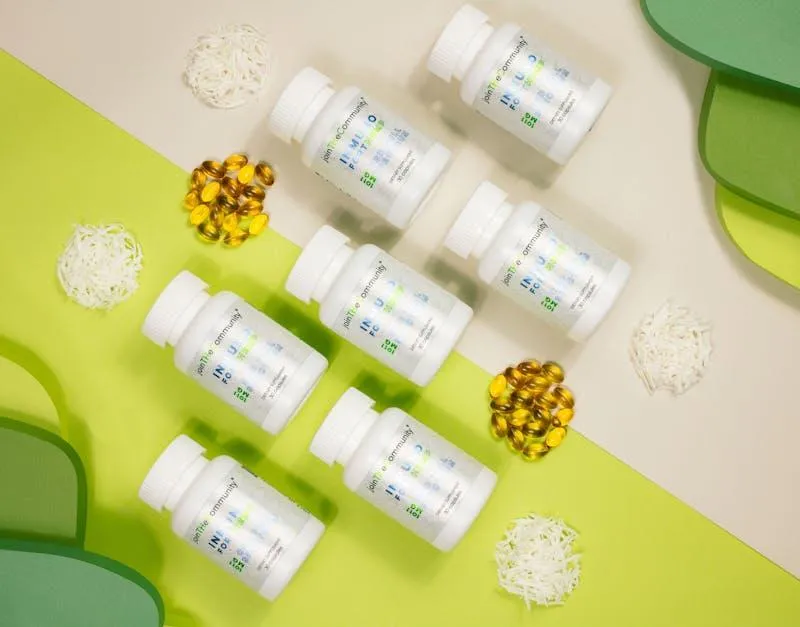
A Comprehensive Guide to Organic Food Supplements: Types, Benefits, and How to Choose
Introduction and Scope 🌱
This guide is designed for general consumers and health enthusiasts who want an evidence-based, practical understanding of organic supplements, how organic claims are regulated, and how to evaluate products in a crowded market, as detailed in organic fruit and vegetable supplements: a comprehensive guide to benefits, quality, and selection.
Throughout, you’ll see practical guidance, real-world considerations for brands and retailers, and visuals to help you navigate label language, certifications, and farm-to-supplement traceability. This guide combines the latest market trends, rules about organic products, and trustworthy scientific views to help you make smart choices that are easy to understand and use.
Regulatory Landscape and Organic Claims 🛡️
Regulatory frameworks shape what a product can claim and how its organic status is verified, as detailed in supplements in food: a comprehensive guide to types, benefits, safety, and regulation.
Third-party certifications bridge regulatory gaps and enhance consumer trust. Programs such as USP Verified, NSF Certified, and the Non-GMO Project Verified provide independent testing and public reporting beyond regulatory minima. Individuals should assess the scope of each certification—whether it covers farming, processing, packaging, or specific ingredients—and understand that a label’s organic claim may be partial (component-level) or product-wide.
Market Trends and Consumer Demand 📈
Consumers increasingly prioritize organic sourcing, transparency, and traceability. Clean-label trends—short ingredient lists, recognizable ingredients, and avoidance of artificial additives—continue to shape product development across supplements, sports nutrition, and cosmetics. A growing share of shoppers lookup farm origin details, batch-level testing results, and third-party verification before purchasing. This emphasis on credibility aligns with the rise of direct-to-consumer channels, where brands communicate sourcing stories, regenerative agriculture practices, and verified test results directly to consumers.
From a manufacturing perspective, sustainability considerations—regenerative farming, reduced pesticide use, and transparent supply chains—are differentiators. For contract manufacturers and private-label partners like Ingredientsage, the ability to source organic-friendly materials, execute compliant formulations, and maintain rapid time-to-market is increasingly a competitive advantage. As the market expands, robust traceability and independent testing data become core value propositions for brands seeking credibility and growth.
What "Organic" Means Across Major Supplement Categories 🧭
Organic claims in supplements span five major categories: organic vitamins and minerals, botanicals and herbal blends, probiotics, organic protein and meals, and specialty products. Across categories, “organic” generally reflects organic farming of ingredients, compliant processing, and verified sourcing. However, the level of verification, certification scope, and processing standards can differ by ingredient type and supplier program. Consistency between supplier disclosures, farm-origin traceability, and third-party verification is critical to maintaining trust and ensuring label accuracy.
Key considerations include supply chain transparency, batch-specific testing, and GMP-compliant manufacturing. For instance, organic botanicals may require credible sourcing from certified organic farms and adherence to processing standards that preserve active compounds while preventing contamination. Organic proteins rely on organic feed and processing practices, with attention to potential cross-contamination in multi-product facilities. In all categories, consumers should expect ongoing verification efforts, batch-level documentation, and accessible testing summaries to support informed purchasing decisions.
Major Organic Supplement Categories 🗂️
The following sub-sections outline five principal categories and how organic claims apply within each. For every category, organic status typically reflects the organic farming of ingredients, compliant processing, and verified sourcing where applicable. Cross-cutting themes include traceability, batch-specific testing, and GMP adherence across the supply chain.
Organic Vitamins and Minerals
Organic vitamins and minerals generally source key micronutrients from organic substrates and binders, with organic excipients and fillers to support stability and bioavailability. For example, folate from organic leafy greens and organic iron from plant-based sources may appear in multi-ingredient formulations. The organic status is strongest when the entire ingredient list is certified organic or when certifiers approve organic farming of the primary actives with transparent processing. Regulators emphasize accurate labeling of nutrient forms (e.g., ferrous vs. ferric iron) and clear disclosure of any non-organic carriers. Consumer takeaway: seek products with full organic certification that spans both ingredients and processing, plus independent contaminant testing.
Botanicals and Herbal Blends
Botanical supplements rely heavily on farming practices and post-harvest handling. "Organic status" means ingredients are grown without synthetic pesticides, synthetic fertilizers, or genetically modified organisms (GMOs) and are processed with standards that preserve active constituents while minimizing contamination. Consumers should look for batch-level testing for pesticide residues and heavy metals, as well as documentation of the botanical identity (species, part used, and extraction method). Given variability in plant chemistry, organic certification paired with third-party testing provides stronger assurance of quality and consistency.
Probiotics
Organic probiotics focus on the organic origin of the substrate materials used in fermentation, as well as the organic inputs used in growth media and carriers. The most credible organic probiotic products disclose the strain(s), CFU counts at expiration, storage requirements, and evidence of stability under typical consumer use. Organic certification of probiotic ingredients is most robust when the strains are produced from organic substrates and the final product maintains organic integrity through formulation and packaging. Remember to evaluate the number of viable cells per serving and whether stability testing supports claimed potency.
Organic Protein and Meal Replacement Powders
Organic protein powders and meal replacements emphasize organic sources for primary protein (e.g., peas, rice, hemp) and any added functional ingredients (fiber, vitamins). Clean-label expectations favor minimal processing, free-from synthetic additives, and credible certifications that cover all ingredients, including flavorings and sweeteners. Important considerations include protein quality (amino acid score, digestibility), allergen controls, and cross-contamination prevention in facilities handling multiple product lines. Organic certification often extends to both the base protein and additive matrix if they originate from organic farming, improving label credibility.
Specialty Supplements
Specialty supplements encompass niche areas such as omega fats from organic algae, multivitamin-mineral formulas tailored for pregnancy or aging, and targeted blends (e.g., adrenal support, cognitive health). Organic status in this category generally requires that the primary ingredients come from organic farming and that processing preserves the intended bioactivity. Because specialty products may involve complex formulations, brands should scrutinize the sourcing map, verify batch testing for contaminants, and confirm that regulatory claims align with the latest scientific guidance. Independent verification becomes especially valuable for high-stakes uses (pregnancy, pediatrics, elderly nutrition).
Evaluation Framework: How to Evaluate Organic Supplements 🧪
Evaluating organic supplements involves a practical, consumer-focused framework:
Label literacy: Read the ingredient list, serving size, allergen declarations, and organic certifications. Understand if the product or individual ingredients are certified organic and what the certification covers.
Certifications and sourcing: Identify active organic certifications (e.g., USDA Organic, EU Organic) and the certifying bodies. Note whether the organic claim applies to the whole product or only select components.
Manufacturing and safety: Confirm GMP-compliant facilities, third-party testing for contaminants (heavy metals, pesticides), and disclosure of testing results. Seek certificates of analysis (COAs) for batch-specific results.
Farm-to-supplement traceability: Look for documented supply-chain transparency, origin of raw materials, farming practices, and processing steps for each batch.
Potency and stability: Verify labeled potency versus actual content, especially for vitamins, minerals, and active botanicals. Check storage and shelf-life requirements to preserve efficacy.
Safety considerations: Review potential allergen exposure, contraindications, and interactions with medications. Consider age-specific or pregnancy-related warnings where applicable.
Choosing Organic Supplements for Specific Needs 🧭
Different life stages and goals demand tailored approaches. The following buyer-oriented guidance helps you match products to needs while prioritizing organic integrity and safety.
Fitness and Athletic Performance
Look for organic protein powders with complete amino acid profiles, organic carbohydrates for energy, and minerals that support recovery (magnesium, zinc). Favor products with transparent sourcing for protein base (e.g., organic pea protein) and evidence-backed adaptogens or micronutrient blends. Assess whether the product provides a clean label and robust third-party testing for contaminants. For athletes, batch-level COAs confirming protein integrity and absence of heavy metals is a prudent requirement.
Pregnancy and Prenatal Nutrition
Prioritize folate/folic acid, iron, and iodine, ensuring that botanicals are pregnancy-safe and regulations are clear. Organic prenatal formulas should avoid botanicals with unclear safety profiles in pregnancy and ensure that all ingredients meet safety standards and regulatory guidance. Documentation of source farms and independent testing increases confidence in the product. Always consult healthcare professionals before beginning any new supplement during pregnancy.
Elderly Nutrition
Focus on bone health, calcium, vitamin D, B12 (for absorption considerations), and micronutrients that support cognitive and immune function. Organic formulations should emphasize digestibility and lower-jitter excipients. Look for products with traceability data and COAs showing low heavy-metal content and compliant labeling for age-targeted use.
Plant-Based Diets
Plant-based diets rely on complete essential amino acids, iron, zinc, B12 (where applicable), iodine, and other micronutrients. Organic plant proteins and fortified blends should provide clear sourcing and consistent nutrient delivery. Evaluate whether the product offers farm-origin transparency and verified testing, particularly for potential allergen cross-contact and processing aids used in vegan formulations.
Children
Children require careful dosage, low allergen exposure, and robust safety oversight. Organic children’s supplements should feature clearly labeled dosing guidelines, allergen controls, and separate testing for contaminants. Look for products with age-appropriate formulations and strong traceability data so caregivers can verify ingredient origins and farming practices.
General Wellness
For broad-spectrum vitamins, minerals, probiotics, and botanicals, seek products with balanced organic sourcing and transparent testing. A strong product will provide batch COAs, a clear explanation of organic claims, and evidence-based ingredient choices that align with reputable nutritional guidelines. This scenario is where a credible third-party verification program adds meaningful assurance for everyday use.
Safety, Efficacy, and Research Landscape (through 2026) 🔬
Evidence for effectiveness varies by category. High-quality randomized controlled trials exist for certain nutrients and botanicals, while others rely on observational data or traditional use. Emerging trials through 2026 continue to explore dosing, interactions, and long-term safety. Consumers should interpret efficacy claims with caution, prioritizing products that align with established guidelines and that disclose methodology, sample sizes, and limitations of cited studies. Safety considerations include potential allergen exposure, contaminants (heavy metals, and pesticides), and pesticide residues in organic farming contexts where drift or processing aids may occur. Regulations increasingly emphasize traceability, transparent testing, and independent verification to improve confidence in label claims.
Label Insights and Certifications: What to Look For 🏷️
Label literacy is essential. Visual cues and certifications provide help in assessing credibility. Common logos include USDA Organic, USP Verified, NSF Certified, and Non-GMO Project Verified. The scope of each mark matters: some certify the entire product, others certify only certain ingredients. A comprehensive label will also disclose the organic status of each component, grammar on serving sizes, and all ingredients, including flavorings and carriers. Independent testing summaries, such as COAs, should be accessible to verify potency and contaminant levels. When in doubt, contact the manufacturer for batch-specific documentation and the certifying body’s verification reports.

Figure: Visual guide to common organic and certification logos and what they certify on a supplement label.
Transparency, Traceability, and Farm-to-Supplement Practices 🧭
End-to-end traceability is increasingly a differentiator. Consumers expect disclosures about farm origin, cultivation practices, and processing steps that preserve organic integrity. Supply-chain transparency reduces adulteration risk and builds consumer confidence. Best practices include supplier governance, third-party audits, and publicly accessible certification reports. For manufacturers and brands, robust traceability supports accurate batch recalls and quality improvements, while for consumers, it provides a clear narrative of where ingredients originate and how they are handled from farm to supplement bottle.
Practical Tools for Consumers 🧰
Use these checklists to evaluate organic supplements before purchase:
Verify the product or each ingredient is certified organic by a recognized body, and confirm the scope and validity of certifications.
Review COAs for potency, heavy metals (lead, arsenic, cadmium, mercury), pesticides, and microbial content; ensure batch-specific data is accessible.
Check for GMP compliance statements, facility certifications, and documentation of quality systems.
Assess farm-origin transparency: origin country, farming methods, and supply-chain disclosures when available.
Examine allergen declarations, potential cross-contact risks, and any botanicals with regulatory cautions in specific populations (e.g., pregnant individuals, children).
Prefer products with independent verification and clear explanations of organic claims on the label and packaging.
Comparison Criteria for Certifications 🔎
When comparing organic certifications, consider the following criteria across products and brands:
Organic ingredient origin and farming methods— Do the primary ingredients come from certified organic farms, and are farming practices documented?
Certification body— USDA Organic, USP Verified, NSF, Non-GMO Project, or other recognized schemes; what is the scope?
GMP compliance and facility inspection— Is the manufacturing site inspected for GMP, and are records publicly verifiable?
Contaminant testing— Are heavy metals and pesticide residues tested, and is there batch-specific data?
Farm-to-supplement traceability and transparency— Is origin, handling, and processing fully traceable and disclosed?
Label accuracy and disclosure of ingredients— Are formulas and ingredients accurately disclosed, with no undisclosed fillers or banned additives?
Explainer Video 🎬
For a quick, visual overview of organic supplement concepts, look for concise explainer videos that cover what "organic" means for farming and processing, how to read labels, and how third-party certifications work. The video below provides a practical walkthrough of traceability and certification logic relevant to private-label and contract manufacturing teams.
Transparency, Traceability, and Farm-to-Supplement Practices 📜
Transparent supply chains are increasingly a differentiator in the organic supplements space. Manufacturers and brands should publish farm-origin data when possible, describe processing steps clearly, and provide batch-level documentation. Audits, certification reports, and publicly available quality data help retailers and consumers assess risk, verify authenticity, and respond quickly to any quality issues. A robust farm-to-supplement program reduces adulteration risk and supports confidence from athletes, pregnant consumers, and older adults who rely on consistent, clean ingredients.
Conclusion and Credible Sources 🧭
Organic food supplements offer the promise of cleaner farming, more transparent supply chains, and credible testing that supports safer, more effective products. The strongest consumer decisions arise from combining visible certification marks, batch COAs, and transparent ingredient sourcing. As regulatory landscapes evolve and scientific research expands, maintain a critical eye toward methodology, sample sizes, and potential conflicts of interest in studies cited on product pages. For professionals in private-label and contract manufacturing, building a supply chain that prioritizes organic farming, robust testing, and clear labeling can deliver competitive advantage while safeguarding consumer trust.
Credible Sources and Further Reading: U.S. FDA DSHEA and cGMP guidance; EU organic labeling standards; USDA Organic Program; EFSA guidance on nutrient safety; NIH Office of Dietary Supplements (ODS) resources; USP and NSF certification programs; Non-GMO Project standards; peer-reviewed journals on nutrition and toxicology; industry reports from reputable market analysts with transparent methodologies.


