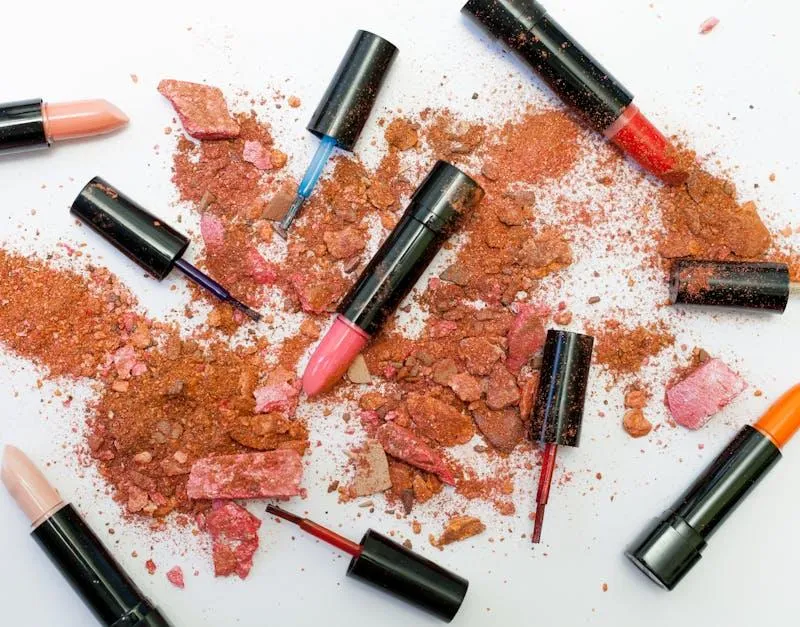
Ultimate Makeup Guide: Essential Techniques, Tools, and Trends
Introduction ✨
Welcome to a current, evidence-based guide to makeup fundamentals, techniques, and trends. This resource is designed for professionals and brands alike—whether you’re refining a well-established line, developing a private-label collection, or launching a new product with rapid time-to-market. The guiding principles are skin-first, inclusive shade ranges, safety, and sustainability. You’ll find practical steps you can apply immediately and strategic ideas you can adapt for future product development and packaging decisions.
For brands partnering with a private-label and contract-manufacturing partner like Ingredientsage, these considerations translate into scalable, compliant chemistries and packaging options that still feel personalized to your audience, a topic you can explore in the essential makeup guide: techniques, trends, and product recommendations for modern beauty.
“Makeup should enhance the skin you have, not mask it.” — Industry Expert
Throughout this guide, you’ll find actionable insights, real-world examples, and expert perspectives to help you build both a basic and advanced understanding of makeup applications—whether you’re formulating a stock line or customizing a new product for private-label partners.
Foundations of makeup: fundamentals and skin-first approach 🧖♀️🌈
Foundation starts with skin. Understanding how skin type and undertone influence shade matching, finish, and longevity is the foundation of any successful makeup routine or product line. The goal is to create a seamless balance between coverage and skin health, so your customers feel cared for, not caked or constrained by makeup. Below are core concepts to anchor your decisions.
Understanding skin types and undertones
Skin types fall along a spectrum: normal, dry, oily, combination, and sensitive. Each type interacts differently with products: dry skin drinks in hydration but can feel powdery if not balanced with emollients; oily skin benefits from breathable mattifying textures with oil-control properties; sensitive skin may react to certain fragrances or actives. Undertones—cool, warm, or neutral—determine how a shade reads on the skin. A practical approach to undertones is to look at the veins along the inner wrist (blue/purple suggests cool, green hints at warm) and to assess how jewelry and white clothing affect your skin’s appearance. A 2024 consumer survey by the Beauty Standards Council found that 68% of respondents consider shade range and undertone accuracy essential when selecting makeup, underscoring the importance of precise matching for trust and satisfaction.
When selecting shades for a private-label line, prioritize a broad undertone map with multiple midtones to ensure inclusivity. For long-standing brands, consider expanding undertone categories and offering undertone-adjusting blends that can be mixed at the time of purchase, allowing for a more personalized fit without compromising manufacturing efficiency.
Coverage options and finishes
Foundations come in a spectrum of coverage—from sheer to full—and finishes—from dewy to natural to matte. Your choice should reflect both customer needs and the product’s role within a routine. Sheer and light-coverage formulas are ideal for everyday wear and for people seeking a natural look; medium to full coverage accommodates uneven tones, blemishes, or photo-ready occasions. Finishes influence perceived skin texture—dewiness can mimic hydrated, healthy skin, while matte finishes can reduce shine on oily complexions and extend wear. For sensitive or reactive skin, consider fragrance-free formulations and shorter ingredient lists that still deliver comfortable, non-occlusive coverage. A practical approach: pair a moisturizing base with a satin or natural finish for most skin types, reserve matte formulas for warmer climates or oilier zones, and offer a lightweight, buildable option for those seeking customizable coverage. A 2023–2024 industry review noted a growing preference for breathable bases that balance coverage with skin comfort.
A daily skin-first routine
Adopt a simple, repeatable routine that supports barrier health while providing a clean canvas for makeup: cleanse, optionally tone, moisturize, and apply SPF before any makeup. If needed, prime to improve texture and longevity, then apply foundation with a brush or sponge for a natural blend. Concealer is used strategically—usually to address under-eye hollows or localized imperfections—followed by a translucent or skin-tone setting powder to reduce unwanted shine. Finish with a light dusting of setting spray or a finishing powder for longer wear. Your routine should honor different skin types and include fragrance-free options or sensitive-skin formulations when relevant.
According to industry observations in 2025, consumers increasingly expect products that work harmoniously with skincare and sunscreen, reinforcing the importance of compatibility between active ingredients and makeup textures. For brands, this translates into formulation strategies that minimize separation, pilling, or hydration-related slip and that preserve color integrity across environmental conditions.
Comparison Criteria for Foundations and Coverage
Product Name
Shade Range/Undertones
Finish & Coverage
Skin Type Compatibility
Longevity/Wear
Ingredients & Safety
Sustainability/Packaging
Tools and hygiene: brushes, sponges, and safe practices 🧰🧼
Tools are the interface between formulation and wearer. The right brushes, sponges, and sanitation practices ensure consistent results, minimize skin irritation, and support a clean, efficient manufacturing and application process. Treat tools as a critical part of product performance—especially in private label settings where consistency across batches matters for consumer trust.
Essential tools and their roles
Equip yourself with a curated set that covers all product categories: a foundation brush or dense buffing brush for seamless coverage; a soft powder brush for diffused finishing powder; a contour/bronzer brush; multiple eyeshadow brushes for blending and precision; a spoolie for brows; and a dampened sponge for blending and skin-like texture. For on-the-go applications or professional kits, include a compact set that mirrors the main collection to simplify training and usage guidance.
Hygiene, storage, and lifecycle
Hygiene begins with storage. Keep tools in clean, dry spaces away from direct moisture to deter microbial growth. Replace sponges weekly or after heavy exposure to contaminants; brushes typically have a longer lifecycle but should be washed weekly and replaced every 6–12 months depending on use, material, and quality. Sanitize tools with approved cosmetic brush cleansers or approved 70%+ alcohol solutions, ensuring complete drying before reuse. Establish a documented cleaning schedule and a lifecycle log for private-label partners to support quality-control audits and consumer safety.
Industry guidance in 2024–2025 emphasized routine sanitation as a cornerstone of safety—particularly for products intended for varied climates and extended wear. In practice, this means clear cleaning intervals, robust labeling for replacement, and customer education on proper tool care to reduce skin irritation and contamination.
Expert perspective
“Tool hygiene is not optional—it directly affects safety, application consistency, and perceived product quality.” — Cosmetic Formulation Specialist
Foundational color products and coverage 🎨
Foundational color products establish the base for everything that follows. This section outlines representative items to illustrate current capabilities and shade inclusivity across price points, focusing on foundations, concealers, and setting powders. For each product, we’ll explore typical finish, coverage level, and suitability for different skin types, with an eye toward safety and sustainability in both formulation and packaging.
Foundation
Shade Range/Undertones
Foundations should map a broad spectrum of undertones and skin tones. An inclusive line often features a 30–60 shade range with undertone ladders (cool, neutral, warm) and carefully tested midtones to reduce undertone misreads. For private-label programs, consider modular shade-matching tools or blendable bases that accommodate undertone shifts without requiring separate SKUs per shade family. Consumers increasingly expect transparent shade-matching descriptors and visible testing cues on packaging.
Finish & Coverage
Typical finishes include natural, satin, and matte, with coverage spanning sheer to full. The chosen finish should align with climate, humidity, and user preferences. Buildable coverage remains essential for diverse skin concerns, while lightweight, skin-like textures are favored for a seamless transition to skincare routines and photoshoots. Sustainability considerations include refillable packaging and reduced plastic while preserving product stability and color fidelity.
Skin Type Compatibility
Hydrating bases with non-comedogenic oils or humectants suit dry and normal skin, while oil-control formulas with micro-mattifying agents serve combination and oily skin well. For sensitive populations, offer fragrance-free formulas and minimal irritants. A trend toward skin-identical ingredients—ceramides, squalane, and niacinamide—helps maintain barrier health while delivering reliable coverage.
Longevity/Wear
Longevity is influenced by formula weight, emollient balance, and powder fouling. Prolonged wear often benefits from a balancing under-base, a micro-fine powder, and a setting mechanism that resists humidity without chalkiness. Consider testing wear under various activities—heat, humidity, and exercise—to ensure reliable performance across climates and use cases.
Ingredients & Safety
Ingredient safety and transparency matter. Favor non-irritating preservatives and fragrance-free options when possible, and look for clear labeling of potential allergens. Clean-label trends emphasize simpler ingredient decks with natural actives and forestall controversial preservatives where feasible. Consumer demand for safety data and ISO/industry-standard testing remains high in 2025–2026.
Sustainability/Packaging
Packaging strategies—refillable components, recyclable materials, and minimal packaging—are increasingly expected. Private-label programs can integrate sustainable supply chains by selecting post-consumer recycled (PCR) components, designing for easy disassembly, and communicating recyclability clearly to consumers. Packaging choices should align with end-user expectations for both performance and environmental responsibility.
Concealer
Shade Range/Undertones
Concealers should complement foundation lines with overlapping shade families and undertones, plus lighter and deeper options for precise correction around the eyes and blemishes. A well-mapped concealer range helps reduce caking and color migration on fine lines and textured skin. Transparent or semi-opaque swatches and tester guidelines support accurate consumer selection.
Finish & Coverage
Concealer finishes range from satin to creamy matte. The goal is opacity where needed (blemishes) with a light touch on under-eye areas to avoid creasing. Cream formulas often offer better blendability on dry areas, while lighter liquids can be preferred for oily or mature skin.
Skin Type Compatibility
Dry skin benefits from hydrating concealers with nourishing oils or silicones that prevent creasing, while oily skin benefits from oil-control and crease-minimizing formulations. Hypoallergenic variants address sensitive users who require gentler textures and fragrance-free options.
Longevity/Wear
Long-wear concealers usually employ film-forming polymers and micro-granulated pigments to maintain coverage without migration. Test performance under heat and humidity to ensure consistent under-eye coverage and resistance to creasing across products.
Ingredients & Safety
Concealers with soothing extracts (like chamomile or calendula) and non-irritating pigments appeal to a broad audience. Consider non-comedogenic testing for those with acne-prone skin and ensure the formula remains stable under varied temperatures typical of retail environments and consumer use.
Sustainability/Packaging
Concealer packaging can leverage airless pumps or doe-foot applicators designed for minimal product waste and easier sanitation. Recyclable materials and refill options support consumer demand for responsible consumption.
Setting Powder
Shade Range/Undertones
Setting powders should be available in translucent as well as skin-tone-matched options to address varied complexions. Translucent formulations must perform consistently across skin tones, while tinted variants prevent flashback in photography. Clear labeling on shade performance helps retailers and consumers alike.
Finish & Coverage
Translucent powders typically offer a sheer to light-mil finish that mattifies and extends wear without altering foundation shade. Powder formulations with light-reflecting mica can soften texture, while silica-based powders deliver a more blurring effect for mature or textured skin.
Skin Type Compatibility
Oilier complexions benefit from finely milled, micro-porous powders that control shine; dry or mature skin benefits from powders that include conditioning agents to prevent flaking or caking.
Longevity/Wear
Setting powders contribute significantly to longevity, but performance should be balanced with skin comfort. Consider weight, dust-free application, and compatibility with long-wear foundations to avoid separation or glare in photographs.
Ingredients & Safety
Hypoallergenic and fragrance-free options, along with minimal irritants, help widen accessibility. Ingredient transparency around filters and pigments supports consumer trust, particularly when marketing to sensitive populations.
Sustainability/Packaging
Refillable pans, recyclable compacts, and minimal packaging volume align with sustainability goals and consumer expectations for responsible packaging in premium and mass-market segments alike.
Color and technique by area: eyes, lips, and cheeks 👁️💄🟠
Eye, lip, and cheek workstreams require harmonized color theory, proper tools, and an understanding of how textures interact with skin. This section provides practical guidance to achieve depth, balance, and longevity across areas.
Eyes: blending, base, lid shading, and dimension
Begin with a clean lid and a suitable primer to smooth texture and improve longevity. Use a light transition shade in the crease to build depth, then layer mid-tones for depth and brightness near the inner corner. A darker shade along the lash line or outer v creates definition. Blend with circular motions and windshield- wiper strokes using brushes of appropriate size; adjust brush density to control color intensity. To prevent creasing, consider a lightweight setting layer or a setting spray at the end of the eye look. Eye-safe formulations and fragrance-free options are particularly important for sensitive eyes and contact-lens wearers.
Lips: liner, color selection, and long-wear considerations
Liner defines shape and helps prevent feathering, especially for vibrant or deep shades. Choose lip colors that complement skin undertones and pair with a compatible lip liner to extend wear. For long-wear formulas, consider transfer-resistant textures and a sealing topcoat or finishing layer that does not feel heavy. Hydration-supporting lip products near the lip line help avoid dryness and promote comfort across seasons.
Cheeks: cream versus powder textures, layering, and dimension
Cream blushes offer a natural, skin-like glow and blend well over moisturized skin, while powders can deliver a stronger color payoff and longer wear. Layering cream under powder creates a more luminous effect, whereas powder on bare skin can deliver a quick, matte finish. For mature or textured skin, blend gradually, build in thin layers, and consider a light-reflecting highlighter sparingly to avoid emphasis on texture. Palette design should consider accessibility in shade names and descriptors for diverse consumer groups.
Skincare integration with makeup 💧🧴
Makeup performance is closely tied to skincare. Primers, serums, moisturizers, and SPF interact with makeup wear and longevity in meaningful ways. Selecting harmonized skincare steps can improve wear, reduce irritation, and support barrier health.
Primer, serums, and moisturizers: their role with makeup
Primer should complement foundation type and skin concerns—matte primers for oily zones, hydrating primers for dry areas, and pore-diffusing primers for textured skin. Serums with hyaluronic acid, vitamin C, or peptides can be layered before moisturizer, but always test for compatibility with makeup textures to maintain glide and adhesion. SPF remains essential, but choose sunscreen formulations that layer without causing pilling or color changes beneath makeup.
Patch testing and sensitivity considerations
Patch testing remains a prudent step, especially for fragrance-rich or active ingredients. For fragrance-sensitive users, offer fragrance-free options and provide clear guidance on allergen labeling. Consider sensitivity testing during product development and publish clear safety data sheets or ingredient disclosures to build consumer trust.
Harmonizing skincare steps with makeup
Arrange routines to support barrier health: cleanse, moisturize, then SPF, followed by primer and makeup. In the evening, consider a gentle skincare routine that focuses on skin recovery and repair to keep the complexion balanced for the next day’s makeup. Brands can optimize for faster go-to-market by aligning private-label formulation with skincare trends—clean label, skin-identical ingredients, and sustainable packaging.
Shade inclusivity and diversity in products and marketing 🌍🤝
Shade inclusivity is not merely a marketing checkbox; it is essential to building lasting trust with a diverse customer base. Undertone mapping and accessible descriptors help consumers choose confidently. Representation in campaigns, product testing across diverse communities, and transparent shade-matching processes respond to evolving consumer expectations for accuracy and accountability.
In practice, this means expanding shade lines, conducting broad testing panels, and using descriptive language that avoids ambiguity. It also means marketing with diverse models in real-world scenarios and showing how products perform across skin types and undertones. The result is stronger brand credibility and broader market reach.
Safety, sustainability, and ethics in makeup ♻️🐰
Safety, sustainability, and ethics are interwoven across product development, packaging, and consumer education. Ingredient transparency, fragrance considerations, and hypoallergenic options help address a broad audience, including sensitive users. Sustainability trends include refillable packaging, recyclable materials, and reduced waste initiatives. Cruelty-free standards and ethical sourcing remain central to consumer trust and brand integrity.
For private-label collaborations, provide clear documentation of sourcing, certifications, and testing protocols. Build a sustainability narrative around packaging lifecycle, material choices, and end-of-life guidance. Consumers increasingly expect brands to articulate a complete ethical and environmental footprint, not only the product’s performance.
Trends and future directions in makeup 🚀✨
The makeup landscape in 2026 emphasizes skin-centric approaches, sustainable packaging, and digital tools that personalize experiences. Skin-identical finishes and that natural look—think “your skin but better”—continue to drive formulations and marketing. Refill systems and reduced single-use plastics are moving from niche to mainstream as retailers seek cost efficiencies and environmental responsibility.
Digital tools for shade matching, virtual try-ons, and personalized recommendations are becoming standard features in the consumer journey. Brands that pair accurate digital shade mapping with transparent ingredient sourcing are well-positioned to capture loyalty in a competitive market. Industry voices emphasize safety and inclusivity as the backbone of future growth, with ongoing advances in AI-assisted color matching and consumer education about product use, safety testing, and sustainability.
“The future of makeup lies in products that align with skincare, use responsible packaging, and leverage intelligent tools to help every consumer find their true shade.” — Industry Analyst
Ingredientsage, as a private-label and contract-manufacturing partner for cosmetics and dietary supplements, supports brands seeking end-to-end solutions—from raw material sourcing to final packaging. Our stock formulas and custom formulations emphasize organic and natural, food-based ingredients for clean-label products that accelerate go-to-market while ensuring quality control and scalable production. This combination of science, convenience, and responsibility helps established brands and startups alike bring cosmetics and supplements to market with confidence.


