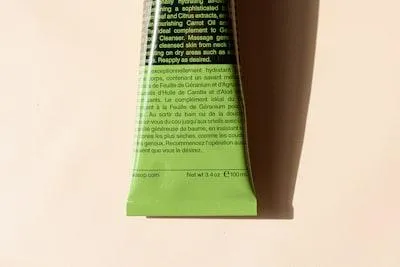
How to Read Cosmetic Labels Like a Pro
Ever found yourself standing in the beauty aisle, squinting at a tiny label on a bottle, trying to decipher what all those long, complicated words mean? You're not alone. Many of us have been there, trying to figure out if that fancy moisturizer or that new shampoo is really what it claims to be. Understanding cosmetic labels can feel like cracking a secret code, but it's not as hard as it seems. Let's dive into the world of cosmetic labels and learn how to read them like a pro.
Understanding Ingredient Lists
The first thing you'll notice on any cosmetic label is the ingredient list. It's where all the magic—or not-so-magic—happens. Ingredients are listed in descending order of concentration. So, the first ingredient on the list is what the product contains the most of. If water is at the top, it's a water-based product. Easy, right?
But what about those unpronounceable words? Well, they often refer to scientific names of ingredients. For instance, "Tocopherol" is just a fancy way of saying "Vitamin E." Knowing a few of these terms can make a world of difference. And don't worry, you don't need a degree in chemistry to get the hang of it. A quick online search can often clear up confusion about unfamiliar ingredients.
Another important thing to note is that not all ingredients are created equal. While some can be beneficial for your skin, others might cause irritation or allergic reactions. For instance, "retinol" is a widely recognized anti-aging ingredient, but it can be quite potent and may cause sensitivity in some skin types. On the other hand, "hyaluronic acid" is celebrated for its hydrating properties and is generally well-tolerated by most skin types. By familiarizing yourself with these key ingredients, you can make more informed choices that align with your skin's unique needs.
Common Ingredients to Look Out For
There are a few common ingredients that you'll see pop up time and time again. Here's a quick rundown:
Parabens: These are preservatives used to extend the shelf life of products. Some people prefer to avoid them due to concerns about potential health risks. Concerns about parabens primarily stem from studies suggesting they might disrupt hormone function, an effect that is linked to increased risk of breast cancer. However, scientific consensus on this is still evolving, so it's up to individual preference.
Sulfates: Often found in shampoos, they help create that satisfying lather. However, they can be harsh on sensitive skin. Sulfates like sodium lauryl sulfate (SLS) can strip the skin of its natural oils, leading to dryness and irritation in some people.
Fragrance: A vague term that can mean a mix of ingredients. If you have allergies, it's something to be cautious about. Fragrances can cause allergic reactions, and they often mask a cocktail of undisclosed chemicals.
Decoding Claims and Buzzwords
Labels are often sprinkled with buzzwords like "natural," "organic," or "hypoallergenic." But what do they really mean? Here's a breakdown:
Natural: This means the product contains ingredients derived from nature. But it doesn't necessarily mean it's 100% free of synthetic chemicals. There are no strict regulations on what qualifies as "natural," so companies can use the term quite liberally.
Organic: Organic products are made with ingredients that are grown without synthetic fertilizers or pesticides. Look for certification seals to ensure authenticity. Certifications from organizations like USDA Organic or Ecocert can offer reassurance that the product meets certain organic standards.
Hypoallergenic: Products labeled as hypoallergenic are less likely to cause allergic reactions. However, there's no regulatory standard for this term, so it's not a guarantee. It often means the product is formulated without common allergens, but individual reactions can vary.
Expiration Dates and Batch Codes
Expiration dates are key to ensuring your product is safe to use. Some products have a "Period After Opening" symbol that looks like an open jar with a number (like 12M for 12 months). This tells you how long the product is good for after you've opened it. Using a product past its expiration can not only reduce its effectiveness but also potentially cause skin irritation.
Batch codes are another thing to look out for. They can give you information about when and where the product was made. This is useful if there's a product recall or if you're trying to verify the authenticity of a product. It can also help you track how old a product is if there's no expiration date listed.
Personal Experience: A Learning Journey
I remember the first time I seriously started looking at cosmetic labels. I was trying to switch to a more natural skincare routine and was overwhelmed by the options. I soon realized I needed to educate myself on what goes into these products. It was a bit of a learning curve, but once I got the hang of it, I felt empowered. Now, I can walk into any store and confidently pick out what works for me. I learned to prioritize what my skin needed over what was popular, and that made all the difference.
Through my journey, I discovered that skincare is incredibly personal and what works for one person might not work for another. My skin tends to be on the sensitive side, so I gravitate towards products that are fragrance-free and contain soothing ingredients like aloe vera or chamomile. I also learned to patch test new products before fully incorporating them into my routine, which helped me avoid unnecessary irritation.
FAQs About Cosmetic Labels
Q: How can I tell if a product is cruelty-free?
Look for certifications like the Leaping Bunny logo or PETA’s cruelty-free bunny. These symbols indicate that the product was not tested on animals. However, it's important to note that some companies might claim to be cruelty-free while still selling in countries where animal testing is required by law.
Q: Are all "fragrance-free" products completely free of fragrance?
Not always. "Fragrance-free" means no additional fragrance is added, but the product might still have a scent from its natural ingredients. This natural scent is often from the raw materials used in the formulation, which can still be present even if no synthetic fragrance is added.
Q: Can I trust all the claims made on cosmetic labels?
Claims like "dermatologist-tested" or "clinically proven" can be vague. It's best to do some research and look for products with transparent ingredient lists. Products claiming to be "clinically proven" should ideally provide some form of evidence or study to back up their claims.
Now that you're equipped with the knowledge to decode cosmetic labels, you're ready to make informed decisions about your beauty products. Remember, it's not just about what's trendy or what your favorite influencer is using. It's about what works for you and your skin. If you want to dive deeper into understanding ingredients and what they mean for your skin, click here to learn more.
So, the next time you're in the beauty aisle, don't be intimidated. You've got the tools to navigate those labels like a true expert!


