Hair Styling: A Comprehensive Guide to Techniques, Tools, and Trends
Introduction: The Modern Hair Styling Landscape in 2026 💫
As you plan your shelves, consider how education, accessibility, and inclusivity fit into every product and technique—learn more about the broader field with Hair Styling: A Comprehensive Guide to Techniques, Tools, and Trends.
Silk and satin reduce friction between hair fibers and fabric, helping to preserve cuticle integrity, lessen breakage, and maintain moisture while you sleep, as outlined in Care and Hair: A Comprehensive Guide to Healthy Hair Care Practices.
Industry insight: Clean, low-damage styling is becoming the baseline expectation. Consumers are willing to invest in high-quality accessories that protect hair health and reduce friction throughout daily life, not just during active styling.
Silk/Satin Pillowcase
Silk and satin pillowcases work by reducing the surface friction that causes tangling, frizz, and hair breakage overnight. The smooth fiber minimizes static and helps maintain the natural moisture balance of the hair cuticle. When paired with a gentle nighttime routine — such as a silk scarf or a light leave-in conditioner — this product supports longer-term resilience, especially for heat-stressed hair. For brands, silk/satin pillowcases present a simple, high-margin entry point into heatless styling that complements cleansing, conditioning, and overnight care lines.
Practical tips to maximize benefits:
Choose high-grade mulberry silk or high-quality satin blends to minimize pilling and maximize durability.
Coordinate with pillowcase care: gentle washing, air-drying, and avoiding harsh detergents preserve fiber integrity.
Satin bonnet or satin scrunchies
Satin bonnets and scrunchies support overnight styles by maintaining hydration and reducing mechanical tension on the hair shaft. Bonnets offer full-head coverage that minimizes tugging at the edges and crown, while satin scrunchies provide secure yet gentle holding power that reduces creasing and breakage. Materials and construction matter: look for breathable linings, reinforced seams, and elastic that maintains tension without leaving dents. These products pair well with protective styles, sleep-friendly styling, and clean-label formulations for a complete heatless routine.
Implementation ideas for brands:
Nurture cross-category storytelling by pairing pillowcases, bonnets, and scrunchies with complementary cleansing and conditioning products.
Offer sets that encourage a full heatless routine, highlighting sustainability and long-term hair health benefits.
Fundamentals of Hair and Scalp Health for Styling 🧖♀️
Healthy styling starts with understanding hair structure and scalp conditions. Hair porosity and scalp pH influence how products absorb, how long styles last, and how hair responds to moisture and heat. A science-backed approach to cleansing, conditioning, and protective styling yields smoother finishes, more predictable hold, and less breakage. In 2026, brands are leaning into diagnostic tools, pH-balanced formulas, and targeted treatments that support scalp hygiene as a foundation for any style.
Porosity Testing Kit and pH-balanced Shampoo are two cornerstone tools that empower personalized care. When you know your hair’s porosity, you tailor cleansing frequency, moisture delivery, and sealants to ensure optimal cuticle health. A balanced scalp pH (slightly acidic, around 4.5–5.5 for many hair types) helps maintain cuticle integrity and minimizes dryness or residue that can undermine styling precision.
Expert perspective: Hair porosity and scalp health drive product performance more than texture alone. Understanding these factors enables consistent results across climates, activities, and styling routines.
Porosity Testing Kit
Porosity testing kits provide a quick, user-friendly way to classify hair into low, medium, or high porosity. Interpreting results informs decisions about cleansing frequency, conditioning strategies, and the use of humectants or sealants. For stylists and brands, this means more accurate product recommendations and fewer guest returns due to disappointing outcomes after styling.
Practical guidance:
Low-porosity hair benefits from lightweight, water-friendly humectants and warm rinses to open cuticles before sealing with a conditioner.
High-porosity hair responds well to heavier moisturizers and protein-balanced treatments that fill gaps in the cuticle.
pH-balanced Shampoo
pH-balanced shampoos support cuticle health by avoiding extremes in alkalinity or acidity that can over-dry or swell the hair shaft. For many users, products that sit around a mildly acidic pH help maintain smoothness and reduce frizz, enabling more reliable styling outcomes. This is especially important when using color-, chemical-, or heat-based styling methods, which may shift pH balance.
Tips for formulation and use:
Favor sulfate-free or low-sulfate cleansers with a gentle surfactant system aligned to a 4.5–5.5 pH range.
Pair with conditioners and leave-ins that rebalance pH after cleansing to lock in moisture.
Heatless Styling Techniques to Try in 2026 🔄
Heatless styling remains a centerpiece of modern practice, delivering durable results while protecting moisture and structure. In 2026, innovative overnight sets and no-heat tools empower a wide spectrum of textures—from sleek, straight locks to defined curls—without relying on hot plates or blow-dryers. The emphasis is on versatility, accessibility, and consistency across hair types, textures, and lifestyles.
Overnight Braids Set and No-Heat Curl Rods (flexi-rods or foam rollers) are two staples for low-damage styling. Both options enable a range of textures while lowering heat exposure, which translates to less breakage, more scalp comfort, and time savings during busy mornings.
Industry note: A growing fraction of salon-professionals and at-home stylists are integrating heatless methods into weekly routines to expand creative options without compromising hair health.
Overnight Braids Set
Overnight braids are a versatile foundation for many looks — from loose waves to defined, rope-braid textures. They work across hair types by adjusting braid tightness, size, and the number of braids. The technique minimizes the need for styling heat in the morning and can be dressed with lightweight styling products that preserve hold without weighing hair down.
Application tips:
Divide the hair into several sections; for finer hair, consider smaller braids for more lift and texture.
Start with damp hair and apply a leave-in conditioner or light styling cream to enhance hold and reduce frizz upon unraveling.
No-Heat Curl Rods (flexi-rods or foam rollers)
No-heat curl rods offer defined curls and coils without the risk of heat damage. They work well for many textures when used with appropriate setting lotions or gels and when removed with care to preserve curl pattern. The range of rod sizes allows customization from tight ringlets to loose, beachy waves.
Tips for best results:
Choose a variety of rod sizes to customize curl definition across sections of the head.
Allow adequate drying time before removing rods to prevent flattening or sagging of curls.
Safe Use of Heat Tools When Needed 🔥
When heat tools are necessary for a specific look or hair type, strict safety and discipline around temperature, timing, and product compatibility are essential. The goal is to minimize heat exposure while achieving reliable style hold and longevity. Emerging tools with smarter temperature controls and auto-shutoff features, paired with protective products, help protect the cuticle and maintain natural moisture levels.
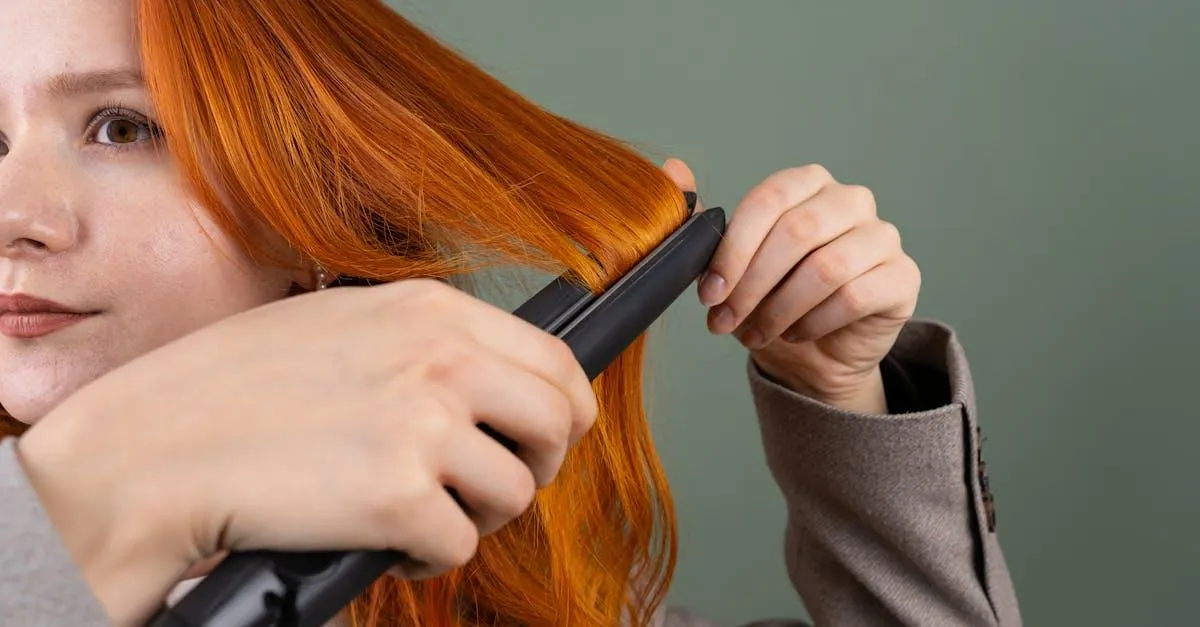
Heat Protectant Spray and Temperature-Controlled Styling Iron are your first line of defense and control. A high-quality heat protectant forms a barrier against thermal injury and can reduce frizz by stabilizing cuticle movement. A temperature-controlled iron with adjustable settings and automatic shutoff helps tailor heat to hair type and styling technique, improving safety and results.
Professional guidance: Use the lowest effective temperature for each styling task and re-evaluate with changes in humidity and hair condition to maintain integrity over time.
Heat Protectant Spray
A well-formulated heat protectant spray provides a lightweight shield that minimizes moisture loss and heat-induced damage. Look for silicone-free options if you prefer a lighter feel and air-dry-ready performance or silicone-based versions for stronger slip and longer-lasting protection. The application should be even from mid-length to ends and reapplied as needed during styling sessions.
Best practices:
Apply on damp hair before blow-drying or heat-styling for even coverage.
Re-apply sparingly when touching up styles to avoid buildup.
Temperature-Controlled Styling Iron
Modern styling irons feature adjustable temperature ranges, digital readouts, and auto-shutoff for safety. Selecting the correct temperature depends on hair type, texture, and desired finish. Fine or damaged hair often benefits from lower settings, while thicker, coarser textures may tolerate higher heat with shorter exposure times.
Practical guidelines:
Low to medium heat (approximately 320–380°F / 160–190°C) for fine or damaged hair; higher heat (up to 450°F / 232°C) only when necessary and with short contact times.
Always use a heat-protective product and avoid passing the iron over the same section repeatedly.
Tools, Products, and Eco-Friendly Choices ♻️
Today’s styling toolkit extends beyond performance to sustainability and accessibility. Eco-conscious consumers expect products and tools that minimize waste, reduce environmental footprint, and improve longevity. Brands respond with durable materials, refillable packaging, and solid-form formulations that deliver effective styling while supporting a circular economy. The right tools also emphasize ergonomics to reduce strain and make styling accessible for everyone, including those with limited hand strength or dexterity.
Eco-friendly Styling Tool with adjustable heat and long lifespan and Refillable or Solid-Form Styling Products are two impactful choices that align with both performance goals and environmental values.
Consumer insight: Sustainability is no longer a niche concern; it shapes buying decisions and drives repeat purchases, especially when performance remains uncompromised.
Eco-friendly Styling Tool with adjustable heat and long lifespan
Key features to look for include durable materials such as ceramic-coated plates, energy-efficient heating elements, and a robust warranty. These tools deliver consistent heat distribution, reduce power draw, and last through countless styling sessions, lowering long-term cost and waste.
Practical considerations:
Choose ergonomic designs with comfortable grips and balanced weight to reduce hand fatigue.
Look for auto-shutoff after inactivity and temperature memory to streamline routine use.
Refillable or Solid-Form Styling Products
Refillable packaging and solid-form products (like styling bars and balms) reduce plastic waste and provide travel-friendly options. Solid-form products typically require no water, have longer shelf live, and can be reformulated for clean-label claims. When selecting products, assess glide, hold, and aroma to ensure compatibility with heat-styling workflows and different hair textures.
Practical notes:
Test for melt resistance and ensure packaging is properly sealed to prevent product degradation.
Offer refill programs to encourage ongoing participation in sustainable packaging.
Hair Type-Specific Techniques 💁
Different hair types demand tailored approaches to styling products, technique, and timing. By focusing on texture-informed methods, you can deliver reliable results while preserving moisture, reducing frizz, and enhancing natural patterns. In 2026, the emphasis is on practical, scalable solutions that work across diverse hair profiles and climate conditions.
Texturizing Spray for Straight/Thin Hair and Moisturizing Leave-In Conditioner for Curly/Coily Hair address distinct needs—lift and texture for straight or fine hair and hydration plus curl definition for curly textures. These products help create volume without heaviness and maintain moisture without sacrificing hold.
Professional takeaway: The most successful styling routines blend lightweight texture enhancers with hydration-focused products to preserve form and curl integrity throughout the day.
Texturizing Spray for Straight/Thin Hair
Texturizing sprays introduce grip and volume, creating a fuller appearance without relying on heavy silicones or waxes. For straight or fine hair, apply lightly at the crown and mid-lengths, then tousle or finger-comb to encourage natural lift. The goal is to create a flexible foundation that supports additional styling without flattening or weighing down the hair.
Guidelines:
Spray at the roots and mid-shafts in a zig-zag pattern for even distribution.
Reapply sparingly to avoid buildup that can dull shine or hinder future styling.
Moisturizing Leave-In Conditioner for Curly/Coily Hair
Leave-in conditioners designed for curly and coily hair prioritize slip, moisture retention, and frizz control. They help define curl patterns with less crunch and provide a soft, touchable hold that remains pliable as the day progresses. When paired with appropriate styling gels or creams, these leave-ins support defined curls and reduced shrinkage, delivering consistent texture without heaviness.
Best practices:
Apply to damp, detangled hair from mid-lengths to ends to maximize distribution and reduce tangling.
Combine with a light gel on humid days to lock in definition without stiffness.
Scalp Health and Hygiene in Styling 🧴

Healthy hair begins with a healthy scalp. Regular cleansing, gentle exfoliation, and targeted scalp care help reduce buildup that can hinder product performance and style longevity. By integrating scalp-focused tools and serums, you support more reliable styling outcomes and a more comfortable everyday routine.
Scalp Exfoliating Brush and Scalp Serum with Tea Tree or Niacinamide offer complementary approaches to maintain balance, clarity, and moisture without weighing hair down. Exfoliation removes dead skin and product residue, while serums deliver targeted actives for scalp health and comfort.
Dermatology-informed insight: A well-balanced scalp reduces flaking and irritation, enabling more predictable results from any styling regimen.
Scalp Exfoliating Brush
A scalp exfoliating brush delivers mechanical stimulation to promote microcirculation and remove buildup that can impede product absorption. Use with a gentle exfoliating cleanser once or twice a week, depending on scalp sensitivity and product use. Be mindful of pressure exerted on delicate areas and always rinse thoroughly to prevent residue.
Usage tips:
Start at the hairline and work toward the crown with light, circular motions.
Avoid aggressive scrubbing near the temples or any areas with irritation.
Scalp Serum with Tea Tree or Niacinamide
Scalp serums with tea tree oil or niacinamide offer lightweight balance for the scalp, helping to control excess oil, soothe irritation, and support barrier function. These serums are typically formulated to absorb quickly and work with various hair textures without leaving a heavy residue.
Tips for use:
Apply a small amount of the product directly to the scalp and massage it in for improved absorption.
Avoid applying on the hair shaft unless the formulation is specifically designed for scalp-only use to prevent buildup on strands.
Sustainability and Inclusion in Hair Styling ♿️🌍
Inclusive design means ensuring that tools and products are accessible and effective for people with different physical abilities, hair textures, and needs. Sustainable practices extend beyond the product to packaging, supply chain transparency, and education that empowers all users to achieve their best results. In 2026, consumers expect brands to demonstrate measurable commitments to circularity, accessibility, and diverse representation in marketing and product development.
The refillable shampoo/styling product and ergonomic brush with a lightweight handle reflect these values. Refills reduce plastic waste, while ergonomic tools reduce strain, enabling longer styling sessions for a wider audience.
Industry observation: Accessibility and sustainability are now linked commitments for successful brands, shaping product design, customer support, and education at every touchpoint.
Refillable Shampoo/Styling Product
Refillable systems minimize single-use packaging by offering refill pouches, bottles designed for refills, or modular packaging. When selecting refillable formats, prioritize durability, leak resistance, and compatibility with travel needs. Encourage consumer adoption with visible environmental impact metrics and easy-to-use refill processes.
Practical considerations:
Ensure compatibility with standard pumps or valves for easy transfer during refills.
Highlight lifecycle benefits and provide clear instructions to maximize reuse and minimize waste.
Ergonomic Brush with Lightweight Handle
Ergonomic design reduces strain and improves control, making styling more comfortable for extended periods. Lightweight handles enable greater precision for limited dexterity users while maintaining balance and reach. Materials should be durable, with smooth bristles or teeth that minimize snagging and breakage.
Implementation notes:
Test handle shape, weight balance, and bristle arrangement for diverse hair types.
Offer different brush sizes to accommodate various styling needs—from root lift to detangling.
Trends for 2026 in Hair Styling 🔮
Trends in 2026 reflect a convergence of convenience, sustainability, and science-backed care. Consumers seek fast but gentle refresh options, transparent ingredient stories, and formulations that prioritize scalp health and environmental responsibility. The year is marked by smart, responsible choices—technology-enabled tools, renewables-based formulations, and styling rituals that honor natural texture while delivering reliable hold.
Second-Day Styling Refresh Spray and Bio-based Styling Gel or Cream capture two leading directions: easy resets that cut wash-day frequency and holds built from renewable, plant-derived ingredients. These products support a more sustainable routine without compromising performance.
Market perspective: Quick-reset products reduce wash frequency and water usage, while bio-based holds demonstrate that performance and sustainability can coexist in mainstream styling.
Second-Day Styling Refresh Spray
Second-day sprays are designed to revive texture, add lift, and refresh shine without a full wash. They work across hair types when used with compatible cleansers and conditioning routines. Look for lightweight formulas that avoid buildup, so reapplication remains effortless and hair stays bouncy rather than weighed down.
Usage guidance:
Spritz lightly from mid-lengths to ends and comb through with fingers for even distribution.
Re-apply as needed to restore texture and control frizz in humid conditions.
Bio-based Styling Gel or Cream
Bio-based gels and creams leverage plant-derived polymers and natural thickening agents to provide hold with a cleaner ingredient deck. These formulations appeal to consumers who want reliable performance without synthetic compromises. When formulating, balance hold with moisture retention to prevent stiffness or flaking as the day progresses.
Practical notes:
Test for flake resistance and compatibility with heatless styling techniques.
Offer flexible hold levels to suit varying climates and personal preferences.
Practical Quick-Start Routine for Everyday Styling 🎯
For brands and consumers seeking a simple, effective daily routine, an all-in-one starter kit is a powerful tool. A well-curated kit reduces decision fatigue, accelerates go-to-market for new product lines, and demonstrates how heatless options can become a habit rather than a special occasion. The goal is to empower users with a minimal yet complete approach that delivers noticeable results with steady consistency.
The All-in-One Heatless Styling Starter Kit includes essentials that cover preparation, protection, and finish. The kit should be adaptable to various hair types, climates, and lifestyles, providing a blueprint for everyday styling that respects hair health and sustainability.
What to include:
Silk or satin accessories (pillowcase, bonnet, or scrunchies) for overnight protection.
Lightweight heatless styling tools (braid sets, no-heat rods) for versatile texture.
A small, travel-friendly heat-protectant spray or leave-in conditioner with a clear, user-friendly routine guide.
Quick-start routine:
Night: braid hair or wrap with satin accessories; apply a light leave-in conditioner to mid-lengths and ends.
Morning: unravel gently, refresh with second-day spray if needed, and style with the appropriate no-heat approach or a brief heat pass at low temperature if required.


