The Ultimate Guide to Hair Coloring Dyes: Types, Safety, and Application
Introduction 💡
Hair Colors and Hair Dye: A Comprehensive Guide to Shades, formulations, and application techniques covers dye types (permanent, demi-permanent, semi-permanent, and temporary), coloring techniques, safety considerations, product selection, application best practices, maintenance, and current market trends shaping decisions in 2026.
Safety and consumer expectations have evolved. Today’s market favors gentler formulations, transparent ingredient labeling, and products that deliver colorfast results without compromising scalp health or environmental responsibility. In partnership with a private-label expert like Ingredientsage, you can align formulation development, packaging, and QC with clean-label goals, vegan/cruelty-free standards, and reliable color performance across channels.
Understanding Dye Types: Permanent, Demi-Permanent, Semi-Permanent, and Temporary 🔎
Understanding lift, deposit, longevity, and how each type interacts with your base shade helps you tailor offerings for clients who need gray coverage, subtle root blending, fashion tones, or trial color before a permanent commitment—hair color: the comprehensive guide to choosing, applying, and maintaining hair dye.
Permanent Dye
Permanent dyes lift existing color through an alkaline developer and deposit new pigment to create long-lasting color, and for a softer, semi-permanent option you can discover vibrant semi permanent hair dye.
Demi-Permanent Dye
They are ideal for subtle root blending, refreshing mid-lengths, and extending time between salon visits, and shoppers can explore popular color options on the Amazon best sellers best hair page.
Semi-Permanent Dye
Semi-permanent dyes primarily deposit color without significant lifting of the natural pigment. They typically fade with each wash, offering vibrant experimentation without the commitment of a permanent change. This category is popular for trend exploration, fashion shades, and test runs for new color ideas. From a product development perspective, semi-permanent systems emphasize gentle chemistry, compatibility with color-safe shampoos, and improved conditioning to reduce initial scalp dryness during processing.
Temporary Dye
Temporary dyes sit on the surface of the hair and wash out after a few shampoos. They are excellent for one-off events, short-term styling, or seasonal color changes. Although not designed for long-term wear, temporary formulations can offer bold pigment and easy removal, making them ideal for consumer trials and gift-with-purchase programs. For brands, temporary options enable rapid assortment expansion without long-term commitment to color deposition chemistry.
Dye Type Details and Use-Cases 🧪
Building on the baseline understanding of dye categories, this section translates each option into concrete use cases for formulation, packaging, and go-to-market strategy. Clear use cases support decisions around color portfolio, safety testing, and consumer education at the point of sale.
Permanent Dye: Use-Cases
Use permanent dyes when the goal is enduring color, bold shade shifts, or complete gray coverage. These formulations are well-suited for salon-grade home-use kits and professional lines that emphasize longevity, color fidelity across different lighting, and robust color depth. In private-label development, emphasis on scalp comfort, low-odor profiles, and low-PPD alternatives can differentiate your product in a crowded market while maintaining strong gray coverage and shade reliability.
Demi-Permanent Dye: Use-Cases
Demi-permanent dyes excel in root blending, color refreshes, and subtle color evolution. They are ideal for customers who want gradual change, softer regrowth lines, or annual color experimentation without full commitment. For brands, demi-permanent systems permit flexible marketing messages around maintenance windows and easier product line extensions for seasonal palettes.
Semi-Permanent / Temporary Use-Cases
Semi-permanent and temporary options are perfect for trend experimentation, event-color accents, and beginner-friendly color experiences. They enable retailers to offer accessory lines, shade-tinder experiences, or sampler sets that introduce customers to color without long-term commitment. These categories also pair well with digital support tools, allowing customers to visualize shades before purchase and plan wash-out timelines with their stylists or at-home routines.
Coloring Techniques and Applications 🎨
Coloring techniques shape how color sits on the hair, how it grows out, and how easy it is to maintain. From global color to targeted methods, the right technique aligns with consumer lifestyle, budget, and desired maintenance cadence. This section explores essential techniques and practical considerations for formulation and application guidance that you can translate into private-label offerings.
Global Color and Root Touch-Ups for Uniform Shade
Global color provides an even shade from roots to ends, delivering consistency across the head. Root touch-ups help maintain a seamless appearance as hair grows, reducing visible contrast between treated and natural hair. For manufacturers, robust shade universality and dependable gray coverage are critical benchmarks; formulations should deliver uniform lift and color deposition across varying hair textures and densities. Pairing with UV-stable pigments and color-lock polymers can extend vibrancy between maintenance cycles.
Balayage, Ombré, and Partial-Foil Techniques for Dimension
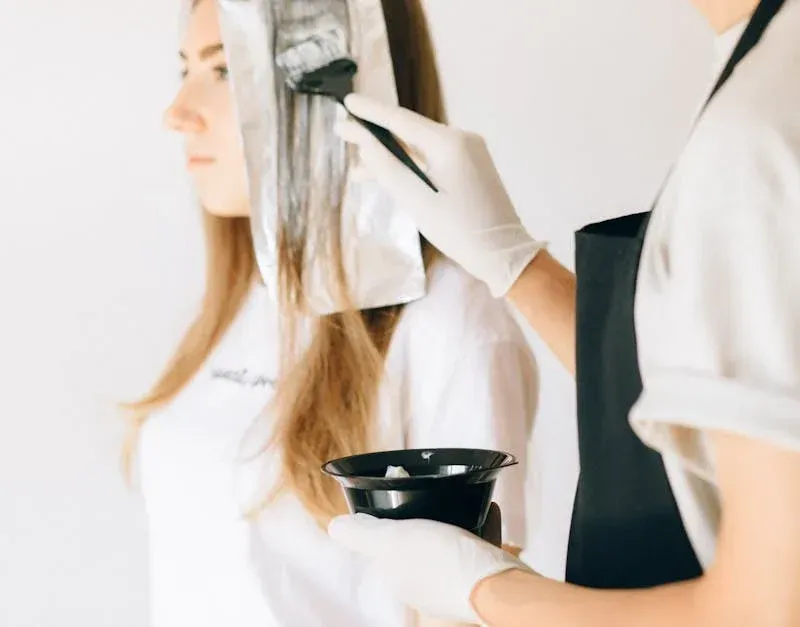
Balayage and ombré create natural-looking dimensions by applying colors selectively to achieve soft transitions. Partial-foil techniques add targeted brightness or contrast without full-head processing, enabling low-maintenance growth and salon-like results at home. For product developers, these techniques demonstrate the value of palette depth, diffusion control, and careful placement guidance in consumer education materials. Conditioning partners and bond-builders can support hair integrity during lighter-than-base applications.
Color Correction Basics and Strategic Planning
Color correction requires understanding undertones, pigment gaps, and the interactions between pre-existing color and new formulations. A strategic plan includes strand testing, progressive lifting, and staged processing to minimize damage and achieve the desired neutralization or correction. For brands, offering color-correction-focused kits with clear processing guidelines and safety warnings helps professionals and home colorists avoid over-processing and maintain scalp health.
Safety Considerations: Patch Testing, Allergens, and Scalp Health 🧴
Safety is non-negotiable in color science. Patch testing, allergen awareness, and scalp health management protect consumers and support brand trust. The following guidelines synthesize best practices for both professional and at-home contexts, with implications for product development, QC, and consumer communications.
Patch Test: 48-Hour Evaluation
Conduct a patch test at least 48 hours before full application to screen for adverse reactions. For products intended for home use, provide clear consumer instructions and offer patch-test kits as part of the purchase experience. Strand tests also play a role, revealing how the hair processes and accepts pigment before full-scale application. In manufacturing terms, standardized patch-test procedures help validate formulations across batches and ensure consistent skin compatibility.
Common Allergens: PPD and Related Compounds; Fragrance Sensitivities
Paraphenylenediamine (PPD) and related aromatic amines remain among the most pertinent allergens in hair color. Many consumers seek PPD-free or low-PPD options due to sensitivity concerns. Fragrance additives can also trigger reactions in sensitive individuals. When developing formulas, consider offering PPD-free baselines, alternative couplers, and fragrance-free variants to expand accessibility while maintaining shade range and performance.
Scalp Health Considerations and When to Advise Professional Help
Healthy scalp conditions support pigment deposition and comfort during processing. If a consumer reports irritation, persistent itching, or known sensitivities, advise professional consultation. Brands should provide clear guidance on patch testing, record keeping for QC, and emergency contact resources. For product development, building scalp-friendly chemistries—lower pH aftercare, conditioning complexes, and protective barrier ingredients—can enhance user experience and reduce adverse events.
Product Selection: Formulations and Ingredients 🧪
Choosing the right formulation is foundational to meeting consumer expectations for performance, safety, and clean-label credentials. This section outlines key considerations for selecting dye systems, including ammonia-free and low-odor options, vegan/cruelty-free labeling, and value-added features that support brand positioning and consumer satisfaction.
Ammonia-Free or Low-Odor Formulations; Developer Strengths 10–40 Vol
Ammonia-free or low-odor formulas address consumer desires for gentler processing while maintaining reliable lift and pigment deposition. Developer strength, measured in volumes, influences lift and processing time. For private-label lines, offering a curated range of low-odor permanent and demi-permanent options with controlled processing times helps retailers meet diverse consumer needs, including sensitive scalps and fragrance-conscious buyers.
Vegan/Cruelty-Free Labeling and Alternatives to High-PPD Formulations
Vegan and cruelty-free labeling resonates with modern shoppers who value ethical sourcing and transparency. Brands are increasingly exploring alternative pigment systems and couplers to reduce reliance on high-PPD formulations while preserving color payoff. In practice, this means formulating with plant-based conditioning additives, label-friendly colorants, and clear consumer-facing documentation on safety and testing.
Additional Benefits: UV Protection, Color-Lock Polymers, and Gray Coverage Support
Beyond color, many formulations incorporate UV-protective ingredients to mitigate fade from sun exposure and environmental stressors. Color-lock polymers help resist washing and heat-induced wear, while advanced gray-coverage technologies improve results on dense or resistant hair. For contract manufacturers, engineering these features into stock formulas or custom blends enables faster go-to-market while delivering premium performance to retailers and private-label clients.
Application Best Practices 🛠️
Effective application relies on planning, technique, and post-application care. Following structured best practices minimizes damage and enhances color longevity. This section translates core principles into actionable steps that brands can embed in training materials, consumer guides, and product-in-use documentation.
Strand Tests, Sectioning, Timing, and Processing Sequence
Begin with strand tests to observe processing behavior and color development on representative hair. Plan sectioning to ensure even coverage across the scalp and mid-lengths, and sequence processing by starting at the back or the area with the least sun exposure to achieve uniform results. Adhering to recommended processing times helps maintain hair integrity and prevents over-processing, which can compromise color uptake and scalp comfort.
Processing Times and Hair Integrity
Respect processing windows to balance color development with strand health. Over-processing can lead to breakage, dryness, and uneven color. In product development, offering short-processing options or low-odor formulations can be a differentiator for consumers seeking convenience without sacrificing outcomes. Shipping-ready kits should include timing guidelines and safety precautions for at-home use.
Color-Safe Washing and Aftercare to Extend Life
Wash routines that preserve color typically emphasize cool water, sulfate-free shampoos, and products formulated for color longevity. Aftercare guidance—such as UV protection, thermal protection, and periodic use of color-depositing conditioners—helps maintain vibrancy between treatments. When packaging private-label lines, align messaging with evidence-based care routines and include aftercare regimens as part of the consumer education package.
Maintenance and Longevity 🔄
Color maintenance is as important as the initial application. Smart maintenance strategies extend vibrancy, reduce fading, and support customer satisfaction. This section covers practical approaches for color upkeep, product recommendations, and scheduling cues that brands can weave into marketing programs and customer support documentation.
Color-Safe Shampoos, Conditioners, and Color-Depositing Products
Use color-safe shampoos and conditioners with gentle surfactants and pH-balanced formulas to minimize pigment loss. Color-depositing products can refresh tone between visits or refresh grey coverage, offering a low-effort pathway to maintain consistency across long wear. For private-label partners, stocking a coordinated line of cleansing and color-boosting products helps create a cohesive consumer experience.
UV Exposure, Chlorine, and Heat Styling Considerations
Environmental factors such as UV exposure and chlorinated water accelerate color fading. Heat styling can also impact color integrity, particularly for lighter or vibrant shades. Consider incorporating UV absorbers, chelating agents to mitigate mineral buildup, and heat-protective components in both colorants and aftercare products to extend color life for end users.
Timely Touch-Ups and Refreshers for Seamless Appearance
Regular touch-ups maintain a seamless transition between color and natural regrowth. Brands can segment offerings by maintenance cadence—monthly, quarterly, or seasonal refreshers—and provide customer education on planning color goals with stylists or at-home routines. For manufacturers, scalable private-label offerings should accommodate refillable packaging and easy recyclability to support sustainability programs.
Current Market Trends in Formulations and Consumer Preferences (2024–2026) 📈
The color cosmetics and hair color space is dynamic, driven by at-home convenience, digital support, and a strong shift toward clean-label and sustainable options. Below are key trends shaping formulation strategy, product development, and consumer education as we move through 2024–2026. These insights are grounded in recent industry observations and market signals observed by leading research firms and leading colorists.
Guided At-Home Color Kits with Digital Support and Personalization 💻
Consumers increasingly favor guided experiences that blend professional know-how with at-home convenience. Digital shade-matching tools, video tutorials, and personalized color recommendations are becoming standard features in at-home color kits. For brands, this trend supports the integration of digital support assets, shade databases, and virtual consultations within private-label programs, enabling a more confident consumer journey from shade selection to maintenance planning.
Sustainability Trends: Greener Packaging, Reduced Fragrance, and Plant-Based Formulations 🌿
Greener packaging—recyclable containers, reduced plastic use, and clearer recycling instructions—has moved from a niche concern to a requirement for many retailers. Plant-based and naturally derived colorants continue to gain traction as brands pursue clean-label narratives. Reduced fragrance levels address consumer sensitivities and regulatory shifts toward more transparent ingredient disclosures. For manufacturers, these trends translate into packaging optimization, fragrance minimization strategies, and the exploration of plant-based components without compromising color performance.
Rising Demand for Ammonia-Free, PPD-Free Options and Enhanced Gray-Coverage Solutions 🧪
Consumers seek gentler color systems with minimized irritants while maintaining reliable gray coverage. Ammonia-free and PPD-free formulations are increasingly prioritized in both private-label and direct-to-consumer channels. Brands are investing in algorithms and testing to optimize gray coverage with milder developers, balancing deposit, lift, and longevity. For go-to-market readiness, you can pair these chemistries with comprehensive safety testing and clear consumer labeling to build trust across channels.
Expert insight: The move toward clean-label hair color is not just about ingredient lists; it’s about performance, user experience, and transparent education that helps consumers feel confident in color decisions across channels.
Product Recommendations and Practical Resources 🧭
Whether you’re sourcing private-label stock formulas or developing custom formulations, practical resources help teams align color goals with regulatory compliance, QC standards, and consumer expectations. Below are recommendations tailored to established brands, startups, retailers, and contract manufacturers working in cosmetics and dietary supplements where color aesthetics intersect with safe, compliant product lines.
Guidance on Choosing Professional-Grade vs At-Home Color, and Patch-Test Kits
Professional-grade color systems often offer broader shade universes, stronger gray coverage, and greater flexibility in formulation for private-label lines. At-home color kits should prioritize safety, user-friendly processing guidance, and reliable patch-test routines. For private-label partnerships, provide a clearly defined patch-test protocol, consumer education materials, and an easily accessible FAQ that addresses common sensitivities and product safety concerns.
Reliable Resources: Shade Databases, Reputable Brand Pages, and Consumer Guides
Develop a robust library of shade references and consumer education content. Build or license shade databases that map undertones, pigment strengths, and recommended pairings with base shades. Provide consumer guides that explain how to choose shades based on skin tone, hair condition, and desired maintenance frequency. For contract manufacturing, resources should be integrated into white-labeled collateral that retailers can customize for their markets.
Strategies for Communicating Color Goals with a Stylist and Planning Maintenance
Clear communication is the bridge between desired color outcomes and real-world results. Provide customers with shade-matching worksheets, visual boards, and example maintenance schedules. When collaborating with stylists and beauty professionals through your private-label program, ensure alignment across shade nomenclature, processing times, and aftercare recommendations to reduce miscommunication and improve outcomes.
Conclusion: Turning Insight into Action for Your Brand
This guide provides a structured framework to navigate the complexities of hair coloring dyes—from the chemistry behind permanent, demi-permanent, semi-permanent, and temporary systems to the practicalities of application, safety, and maintenance. The modern consumer seeks color that is vibrant, reliable, and responsibly formulated, with transparent labeling and accessible support. By partnering with a capable contract manufacturer like Ingredientsage, your private-label or white-label program can advance faster to market with compliant formulations, sustainable packaging, and rigorous quality control that meet current expectations and anticipate evolving trends.


