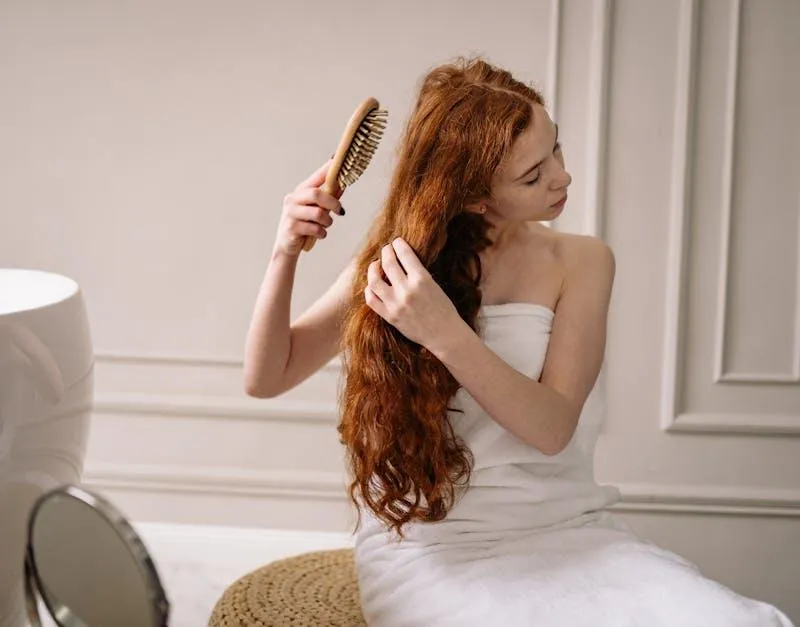
Hair Care: The Comprehensive Guide to Healthy, Strong, and Shiny Hair
Evidence-Informed Resource
Care and Hair: A Comprehensive Guide to Healthy Hair Care Practices is a practical, evidence-informed guide to healthy, strong, and shiny hair.
You are about to engage with a guide that translates current science into actionable routines. This resource weaves together insights about hair biology, scalp health, gentle cleansing, and science-backed ingredient trends to help you make informed decisions. It emphasizes safety, realistic expectations, and routines that accommodate a broad range of hair types, lifestyles, and budgets. The goal is practical guidance you can apply at home or through a trusted contract manufacturer partner like Ingredientsage.
Core Themes
At its core, the guide centers on three pillars: how hair and scalp biology shape appearance and resilience; how to cleanse and care without disrupting the natural barrier; and how to use modern ingredients such as ceramides, peptides, humectants, and lightweight protective agents to support growth, moisture, and strength. Personalization tools and sustainable, clean-label practices round out the framework, enabling you to tailor routines to real-world needs.
Expectations and Practicality
For broader styling strategies beyond product routines, see Hair Styling: A Comprehensive Guide to Techniques, Tools, and Trends.
Hair biology and growth fundamentals 🧬💇♀️
Hair anatomy and follicle structure
Hair is more than a strand. The shaft consists of the cuticle, cortex, and medulla, while the follicle sits in the skin’s dermal layer and anchors the strand. The cuticle provides gloss and protection; the cortex determines strength and color; and the follicle houses stem cells that influence growth cycles. When the cuticle lies flat and the cortex remains intact, light reflects evenly, giving hair a healthier appearance with less frizz and breakage.
Hair growth cycle and shedding norms
Hair grows in cycles that include the growth phase (anagen), a transitional phase (catagen), and a resting phase (telogen). Most scalp hairs are in anagen at any given time, which gradually shifts to telogen before shedding and then regrowing. Typical daily shedding ranges are normal, with about 50 to 100 hairs shed per day depending on individual biology, seasonal factors, and overall health. Variations in cycle length can influence perceived fullness and styling outcomes.
Scalp health and barrier function
The scalp barrier is foundational to hair strength. A well-functioning barrier minimizes moisture loss, controls microbe populations, and supports a healthy environment for follicles. Disruptions—whether from harsh cleansing, friction, or aggressive styling—can compromise elasticity, increase irritation, and contribute to dullness or apparent thinning. Nurturing barrier integrity helps hair look shinier and feel more resilient.
Cleansing, scalp health, and routine philosophy 🧼💆♂️
Gentle cleansing and balanced pH
Gentle cleansing with a balanced pH around 5.5 supports the natural acidity of the scalp and hair cuticle. Overly alkaline cleansers or harsh surfactants can soften the cuticle, increase friction, and promote dryness or dullness. For most users, sulfate-containing shampoos should be reserved for occasional use or specific scalp conditions; daily routines benefit from milder cleansing that preserves lipids and maintains scalp microbiome balance.
Washing frequency and technique
Frequency should align with hair type, lifestyle, and scalp needs. Straight and oily textures may benefit from more frequent cleansing, while curly or coarser textures often require longer intervals to preserve moisture. When washing, focus on massaging the scalp to promote circulation and distribute product, then rinse thoroughly to prevent residue that can weigh hair down or irritate the scalp.
Scalp massage, temperature, and mechanical stress
Scalp massage enhances circulation and can support sebum distribution without causing friction-related damage. Use lukewarm water rather than hot temperatures, and minimize aggressive scrubbing or combing during washing. After cleansing, apply conditioning products from mid-length to ends to reduce tangling, and avoid excessive tension during detangling to protect strand integrity.
Key ingredients: science-driven trends for 2026 🧪🧴
Ceramides and barrier support
Ceramides help restore and reinforce the lipid matrix of the scalp and hair, supporting moisture retention and resilience. They work best when paired with humectants and occlusives to balance hydration. In routine formulations, ceramides contribute to a smoother cuticle surface, improving light reflection and reducing perceived frizz without heavy buildup.
Peptides and follicle signaling
Signaling peptides, including copper peptides, are explored for their potential roles in follicle health and renewal. While evidence continues to evolve, peptides may support cellular communication, promote healthier follicles, and complement other active ingredients. They are typically used at low concentrations to minimize irritation while supporting overall hair quality.
Humectants for moisture balance
Humectants such as glycerin and propanediol draw moisture into the hair shaft and scalp. When paired with occlusives and appropriate water activity, humectants help maintain softness and manage frizz. The key is balancing humectants with sealants to avoid surface dampness or heaviness in humid environments.
Lightweight protective agents
Lightweight silicones and film-formers provide a protective layer against heat and environmental stress without creating heavy buildup. These agents help reduce moisture evaporation during styling and protect against UV and pollution exposure. Preference is typically given to small-diameter silicones or film-formers that wash out cleanly after a few shampoos.
Formulation considerations: efficacy, safety, and clean beauty
In formulation development, there is a constant balance among efficacy, safety, and consumer expectations for clean labeling. Microbiome-friendly preservatives, non-irritating fragrances, and transparent sourcing are increasingly prioritized. For contract manufacturers, aligning with clean-label goals means selecting ingredients with robust safety data and minimizing controversial additives while maintaining performance.
Personalization, at-home diagnostics, and digital tools 📱🧪

Smartphone-based scalp and hair analysis
Smartphone tools enable ongoing monitoring of scalp condition, shedding patterns, and hair elasticity. By capturing consistent images over time, you can observe trends and adjust routines accordingly. These tools are most effective when used as complements to professional assessments rather than replacements for clinical advice.
At-home tests for personalization
Simple at-home tests, such as porosity checks, strand diameter estimates, and moisture assessments, can guide product selection and routine planning. When used in combination with professional guidance, they help tailor cleansing frequency, conditioning strategies, and treatment needs to individual hair health goals.
Digital tools: privacy, accuracy, and context
Digital tools should be selected with privacy and data accuracy in mind. Use reputable apps or devices that provide clear data descriptions and allow you to export results for review with a dermatologist or trichologist. Treat digital insights as one piece of the broader diagnostic puzzle rather than as definitive conclusions.
Routines by hair type: practical, type-specific plans 💁♀️
Straight to slightly wavy hair: lightweight care and protection
For this type, opt for lighter moisturizers and leave-in products that won’t weigh hair down. Heat protection remains essential, especially with styling tools. Prioritize shampoos with gentle surfactants and conditioners that provide slip without heaviness. Consider a silicone-free or light silicone option to maintain bounce and ease of styling.
Curly and coily hair: hydration, sealing, and gentle detangling
Hydration is central for curly textures. Use humectant-rich conditioners and seal with an emollient or lightweight oil after wetting to lock in moisture (LOC or LOO methods). Detangling should be done with wide-tooth combs on wet, conditioned hair to minimize breakage, with minimal pulling and no snapping at the curl pattern.
Fine or thinning hair: lightweight formulas and scalp focus
Finer textures benefit from lightweight formulations that provide scalp care and volume without heavy buildup. Look for products labeled as volumizing or non-greasy, with ingredients that support scalp health and potential follicle wellness. Avoid heavy oils that can create residue and self-limiting shine; instead, emphasize balanced moisturization and targeted serums for the scalp.
Product categories, formulation guidance, and buying tips 🧴🧼
Shampoos and cleansing options
Choose gentle or clarifying formulas based on needs. Prioritize pH-balanced cleansers that minimize surfactant stress on the cuticle. For daily use, select mild options that preserve moisture; for scalp buildup or product residue, a periodic clarifying treatment can help reset the routine without compromising scalp health.
Conditioners and leave-ins: humectants and light silicones
Conditioners should address texture and moisture, using humectants to attract water and lightweight silicones or silicone-free variants to provide slip and manage frizz. If sensitivity is a concern, fragrance-free options can reduce irritation. For some textures, silicone-free leave-ins may improve scalp breathability and reduce build-up.
Treatments and styling aids: exfoliation, serums, and heat protection
Consider scalp exfoliants containing AHAs or BHAs to promote turnover and reduce buildup on the scalp. Serums can target follicles and moisture balance, while heat-protective sprays or serums help preserve elasticity during styling. Always assess ingredient safety and avoid conflicting actives within a single routine.
Sustainable and clean-beauty considerations
Assess packaging sustainability, transparent sourcing, and certifications that align with clean beauty goals. Brands and manufacturers are increasingly prioritizing recycled materials, refillable systems, and clearly disclosed ingredient sourcing. These considerations matter not only for regulatory compliance but also for consumer trust and brand value.
Scalp conditions and red flags that require professional care 🩺
Common scalp conditions and evidence-based management
Dandruff and seborrheic dermatitis are common concerns that benefit from targeted topical therapies and routine adjustments. Gentle anti-dandruff ingredients, medicated washes, and barrier-supportive products can help manage symptoms. Seek professional guidance for persistent flaking, itching, or redness that does not improve with standard care.
Red flags warranting medical evaluation
Unexplained hair loss, itching accompanied by inflammation, or a rash on the scalp may signal conditions beyond cosmetic care. If symptoms are rapid, localized, or accompanied by systemic signs, consult a dermatologist or trichologist promptly to determine underlying causes and appropriate treatment strategies.
Practical preventive tips
Avoid aggressive scratching, minimize harsh mechanical stress, and resist overwashing. Use soothing products for sensitive periods, maintain a balanced diet, and protect the scalp from excessive UV exposure. Regular scalp massages and gentle cleansing help sustain barrier health and long-term hair vitality.
Myths, safety, and evidence-based debunking 🕵️♂️🧠
Common myths and evidence
Myths often claim that natural automatically means safer or that more products yield better results. In reality, efficacy depends on the specific mechanism, concentration, and compatibility with your hair type. Systematic use of evidence-based routines—consistent cleansing, conditioning, and targeted treatments—often yields clearer benefits than sheer product count.
Heat styling, layering, and ingredient safety
Heat styling can cause damage if heat protection is absent or if tools are set too high. Layering products should be mindful of potential interactions that reduce absorption or leave residue. Sound practices include using protectants, avoiding incompatible actives, and selecting ingredients with robust safety data for daily use.
Marketing claims vs clinical reality
Approach claims with critical appraisal. Look for independent testing, transparent ingredient lists, and real-world performance data. Consistent routines with proven actives typically deliver more meaningful improvements than sporadic use of ambitious but unverified products.
Safety, efficacy, and regulatory considerations ⚖️🧭
Regulatory frameworks and labeling
Cosmetics regulations vary by region and influence labeling, claims, and safety requirements. Understanding local rules helps ensure products meet compliance standards and that marketing statements align with regulatory allowances. Transparent labeling supports consumer trust and reduces the risk of misinterpretation.
Patch testing, fragrance sensitivity, and safety evaluations
Patch testing remains a practical safety step, especially for new products or formulations with novel actives. Fragrance sensitivity is a common concern; consider fragrance-free options or using milder scents to minimize irritation. Comprehensive safety evaluation includes ingredient sourcing, concentration limits, and potential allergen disclosures.
Professional guidance and documentation
For conditions beyond cosmetic care, seeking dermatology or trichology input is prudent. Documenting symptoms, responses to products, and changes in scalp or hair health facilitates targeted recommendations and smoother collaboration with contract manufacturers like Ingredientsage during product development and testing phases.
Practical regimen: a starter, month-by-month plan 📅
Baseline cleansing and assessment
Begin with a gentle, pH-balanced cleanser and a lightweight conditioner to establish a baseline. Document your hair’s response, shine, curl pattern, dryness, and scalp comfort—and note any changes in oiliness or shedding. This initial phase helps identify sensitivities and sets the stage for future product additions.
Incremental introductions
Introduce one new product at a time every 4–6 weeks. Start with a conditioning product or a lightweight treatment, then add a targeted serum or a protective styling aid. This staged approach makes it easier to attribute observed results to specific steps and to catch any adverse reactions early.
Weekly additions and logging
Establish a simple log tracking shedding, oiliness, and perceived hair health. Include notes on styling outcomes, frizz, and manageability. Weekly scalp massages, periodic exfoliation, and a consistent routine contribute to long-term improvements when monitored over several months.
Frequently asked questions ❓💬
How often should I wash my hair?
Washing frequency depends on scalp oiliness, activity level, and hair type. Those with oily scalps may benefit from more regular cleansing, while curly or coarse textures often do well with less frequent washing to preserve moisture. The key is to balance scalp health with hair comfort and styling needs.
Are silicones safe, and do they cause buildup?
Silicones can improve slip and manageability, but some formulations may accumulate on certain hair types. Opt for lightweight silicones or silicone-free options if buildup is a concern, and tailor usage to your specific routine. Regular cleansing can prevent excessive buildup while preserving desired benefits.
Do I need heat protection every time I style?
Generally, yes. Heat protection minimizes thermal stress and helps preserve cuticle integrity during styling with blow dryers, straighteners, or curling irons. Choose products that suit your heat tools and hair type, and adjust temperature settings to minimize damage while achieving the desired look.
Conclusion ♻️ Action, learning, and sustainable routines
Recap and action steps
Embrace an evidence-informed routine that prioritizes scalp health, gentle cleansing, and quality, balanced ingredients. Start with a baseline regimen, add one new product at a time, and use digital tools to monitor progress. Regular evaluation helps you refine routines for long-term hair vitality.
Personalization and ongoing learning
Your hair health journey benefits from personalization, informed by at-home diagnostics, professional guidance, and evolving scientific insights. Stay curious, document progress, and adjust routines as needs change with seasons, lifestyle, or product innovations from trusted partners like Ingredientsage.
Digital tools, privacy, and sustainable focus
Leverage digital tools judiciously to support decision-making while protecting privacy. Combine data with real-world experience and sustainable practices, including clean-label ingredient selection, responsible packaging, and transparent sourcing, to build a holistic routine that aligns with both consumer expectations and regulatory standards.


