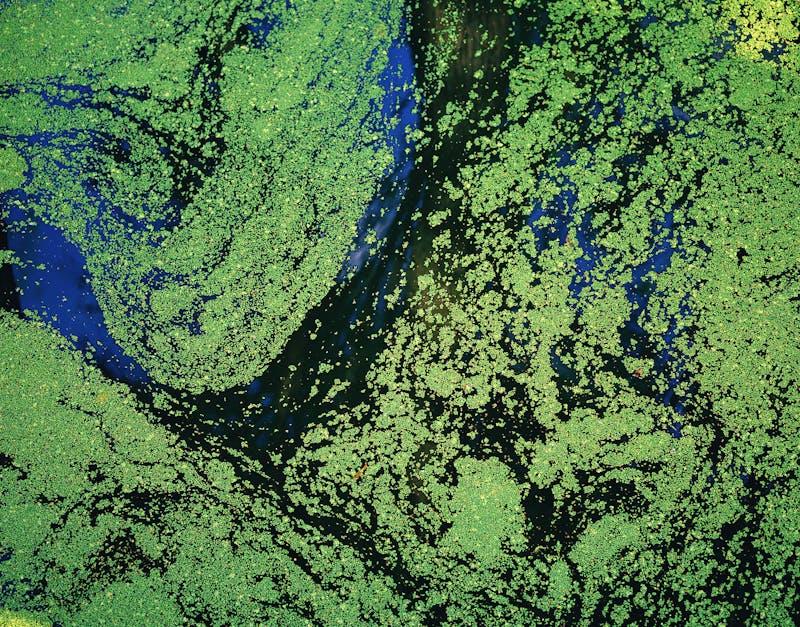
Haematococcus pluvialis astaxanthin: A Comprehensive Guide to Sources, Benefits, and Quality
Introduction and Definitions 🧬
For brands pursuing clean label stories, algal astaxanthin offers a compelling narrative of natural origin, traceability, and sustainability while delivering robust bioactivity; see sea buckthorn extract: a comprehensive guide to benefits, uses, and safety.
In supplements, it is valued for systemic antioxidant effects and support for inflammatory balance, while in cosmetics it is leveraged for skin health benefits and photoprotection; for readers considering vision health, consult the vision health supplement buyers guide: how to choose safe, effective formulas, which provides practical criteria to evaluate products.
Natural vs Synthetic Astaxanthin
Natural astaxanthin derived from H. pluvialis is predominantly all trans 3S,3′S stereoisomeric in nature, with esterified forms that can influence solubility and stability in finished products. Synthetic astaxanthin, while chemically related, yields a mixed isomer profile and is generally perceived as less aligned with clean label objectives. For formulators, natural astaxanthin often translates to different processing and packaging considerations, but it also reinforces marketing positions around natural sourcing and sustainability.
Typical Uses and Industry Rationale
Across nutraceuticals and cosmeceuticals, astaxanthin from H. pluvialis is used to support antioxidant status, eye health, skin resilience, and exercise recovery signals. In contract manufacturing and private label settings, the choice of natural astaxanthin informs formulation strategy, stability testing, and packaging decisions to meet clean-label expectations while ensuring consistent potency across batches.
Biology and Production of Haematococcus pluvialis 🧪
The biology of Haematococcus pluvialis centers on a stress induced life cycle that drives dramatic pigment accumulation. Under nutrient limitation and environmental stress, the algae transition from a motile green phase to dense red cysts that store high concentrations of astaxanthin as protective carotenoid esters. This stress triggered biosynthesis is the cornerstone of commercial production, enabling high pigment yields when managed precisely, but it also introduces variability that must be controlled through robust process design and quality control.
Life Cycle and Stress Induced Accumulation
For a look at the advancements of astaxanthin production in bioprocessing, producers optimize these parameters to balance pigment yield with cell viability, enabling scalable harvests for downstream extraction.
Open Pond vs Closed Photobioreactor Cultivation
Open pond systems offer relatively low capital costs but pose contamination risks and seasonal variability, which can complicate scale up and batch-to-batch consistency. Closed photobioreactors provide tighter control over contamination, oxygenation, and light distribution, enabling higher, more uniform astaxanthin yields and faster turnarounds. For brands prioritizing rapid go to market and stringent quality control, closed systems are typically favored, albeit with higher initial investment. Contamination control, nutrient management, and harvest timing are the three levers that determine industrial scale viability in either approach.
Extraction and Purification Processes 🧰
Extraction and purification steps are central to delivering a high quality astaxanthin product that meets formulation needs across capsules, emulsions, and powders. Green extraction technologies are increasingly deployed to minimize solvent residues while preserving esterified forms and isomer integrity. In parallel, purification steps remove impurities and determine the esterification status of the final material, which in turn informs stability and bioavailability in finished products.
Green Extraction Options
Two leading green extraction methods are supercritical carbon dioxide (CO2) and ethanol based approaches. Supercritical CO2 selectively solubilizes astaxanthin while leaving many polar impurities behind, producing a clean extract with minimal solvent residues. Ethanol based methods, when optimized, can offer high recovery rates and preserve esterified forms, though additional drying and purification steps may be needed to meet final product specifications. Both methods benefit from integrated process controls to maintain isomeric integrity and downstream yield.
Purification Steps and Esterification Status
Purification aims to remove cellular debris, pigments, lipids, and contaminants without compromising esterified forms. Post extraction, chromatographic or crystallization techniques are used to enrich astaxanthin and control the ratio of monoesters to diesters. The esterification status influences formulation choices; esterified astaxanthin generally exhibits enhanced lipophilicity, which can improve incorporation into oil based capsules, emulsions, or liposomal systems used in cosmetics and functional foods.
Quality Indicators and Formulation Considerations 📊
Quality indicators for Haematococcus pluvialis astaxanthin include the precise astaxanthin content per gram of material, the isomer profile, and the esterification state. These factors shape not only potency claims but also formulation compatibility and stability across product formats. A clear understanding of these parameters helps contract manufacturers select the right carrier systems and packaging to deliver durable products that meet label claims and consumer expectations.
Astaxanthin Content and Isomer Profile
The astaxanthin content per gram of dried biomass commonly falls within a practical range that enables predictable dosing in finished products, typically reported as mg AST per gram of dry weight. In commercial materials, content varies across strains and cultivation conditions, but a target window is established to ensure consistent daily dosing in capsules or softgels. Isomer profile matters for bioavailability; natural extracts from H. pluvialis are dominated by the 3S,3′S isomer, while synthetic sources yield broader, mixed isomer distributions. This distinction is relevant for regulatory labeling and consumer perception in clean label programs.
Esterification State and Formulation Form
Astaxanthin can exist as free (non esterified) or esterified forms, including monoesters and diesters. The esterification state affects lipophilicity, solubility, and how astaxanthin behaves in different dosage forms. Oil based capsules, liposomal emulsions, and dry powders each demand tailored processing strategies. For private label programs, selecting a source with a known esterification profile and stable isomer content supports consistent product performance and shelf life while aligning with clean label claims.
Health Benefits and Evidence Synthesis 💡
The health impact of haematococcus pluvialis astaxanthin has been the subject of numerous systematic reviews and meta analyses. Across diverse populations, the compound demonstrates dose dependent antioxidant and anti inflammatory effects, often reflected in biomarkers of oxidative stress and inflammatory mediators. While some reviews report consistent signals of benefit, others emphasize heterogeneity and the need for higher quality randomized trials to confirm specific outcomes. This section summarizes the best available syntheses and highlights practical takeaways for product developers and researchers.
Evidence from Systematic Reviews and Meta analyses
Recent comprehensive reviews indicate that astaxanthin can reduce oxidative stress markers and modulate inflammatory pathways in various contexts, including metabolic health and aging populations. The magnitude of effect tends to increase with dose and treatment duration, though inter study differences in participant characteristics, formulation, and assay methods can influence results. For brands and researchers, these findings support the rationale for including astaxanthin in formulations aimed at skin health, eye protection, and general antioxidant support, while underscoring the importance of transparent quality documentation and dose justification.
Expert perspective: Natural astaxanthin from H. pluvialis offers a favorable bioactivity profile when developed with attention to esterification and isomer composition. For formulators, aligning the product's potency, bioavailability, and label claims with rigorous quality control is essential to translate the science into reliable consumer benefits.
Ocular Health, Skin Health, and Exercise Performance
Evidence suggests potential benefits for ocular comfort and protection against photo-induced damage, improved skin elasticity and hydration, and facilitation of oxidative recovery after exercise. However, these endpoints are often dose dependent and susceptible to variability in study design. Ongoing high quality randomized trials are needed to clarify the magnitude of benefit, identify optimal dosing regimens, and determine subpopulation responders. For product development, this means prioritizing well characterized ingredients and robust in house stability data to support credible consumer messaging.
Safety and Regulatory Status in Major Markets 🔎
Regulatory frameworks differ by jurisdiction, but astaxanthin from Haematococcus pluvialis is commonly marketed as a dietary supplement or food ingredient rather than a drug. Labeling and health claims are tightly regulated, and some astaxanthin ingredients have GRAS status for particular uses depending on the regulatory authority and intended use. Companies should verify local guidance and maintain documentation on source material, extraction method, and batch specific potency to ensure compliance and sustain consumer trust.
United States
In the United States, astaxanthin sourced from H. pluvialis is typically positioned as a dietary supplement ingredient with limited health claims permitted by the FDA. Many manufacturers pursue GRAS determinations for specific uses, and private label programs benefit from clear labeling that reflects the natural origin and esterified content of the product. Ongoing post market surveillance and good manufacturing practices help maintain compliance for multi ingredient formulations used in capsules and topical products.
European Union
EU regulatory status centers on consumer safety and substantiated health claims. Astaxanthin is commonly recognized as a nutraceutical ingredient, with health claims restricted to well established evidence. EFSA guidance drives the need for product specific substantiation and transparent labeling. For cosmetics, the ingredient must comply with the EU cosmetics regulation, including safety assessments and restricted claim language when used in cosmetic formulations.
Asia and Other Markets
In many Asian markets, astaxanthin enriched products are widely accepted as dietary supplements with claim language tailored to local regulatory expectations. Japan, Korea, and China often require localization of claims and testing data. Across markets, a robust quality program, documentation of isomer content, and esterification profile support regulatory acceptance and consumer confidence in high potency private label offerings.
Dosing Guidelines and Practical Usage 💊
Across randomized trials, daily astaxanthin doses commonly studied range from 4 to 12 mg, with higher doses explored in specific contexts. When formulating products for humans, it is prudent to consider a dose that aligns with label claims and supported efficacy while ensuring tolerability and cost effectiveness for private label programs. Dosing logic should be harmonized with the target indication and product format to optimize value for consumers and brands alike.
Common Daily Dose Ranges
For general antioxidant support and skin health, 4–8 mg per day is a frequently studied range. For ocular or metabolic endpoints, some studies evaluate 8–12 mg per day, with occasional explorations beyond 12 mg. Private label programs can leverage these ranges to design tiered formulations or to offer higher potency options while maintaining regulatory compliance and clear consumer messaging on daily intake.
Absorption Considerations
Astaxanthin is fat soluble, so co adminis tration with dietary fats enhances absorption. Formulators often pair astaxanthin with lipid based carriers such as oils or emulsions to improve bioavailability. For topical cosmetics, emulsion systems can stabilize astaxanthin and protect against photodegradation, while preserving skin delivery characteristics. Consumers benefit from taking supplements with a fat containing meal to maximize uptake.
Emerging Market Trends and Sustainability 🌱
The market for haematococcus pluvialis astaxanthin is expanding across nutraceuticals and cosmetics, driven by clean label narratives, demand for natural antioxidants, and growing consumer awareness of oxidative stress related aging. Sustainability is increasingly central, with producers focusing on closed loop cultivation, scalable harvest methods, and reduced solvent footprints. Market dynamics also include resilient supply chains, price stabilization strategies, and exploration of new production platforms such as advanced photobioreactors and fermentation enhanced systems that promise more consistent quality and faster delivery to market for private label partners.
Demand in Nutraceuticals and Cosmetics
Clean label positioning and evidence supported benefits are driving broader adoption of algal astaxanthin in both oral and topical formats. Brands seeking fast turnaround and scalable manufacturing often turn to contract manufacturers who can deliver stock formulas aligned with organic and natural ingredient standards while enabling rapid customization for private label programs.
Sustainability and Supply Chain Resilience
Sustainability considerations include feedstock independence, energy efficiency in cultivation and extraction, and waste minimization. Producers are pursuing stackable value chains that connect algae cultivation with downstream processing and packaging, enabling brands to meet consumer expectations for ethical sourcing and reduced environmental impact. For contract manufacturers, this translates to transparent supply chain documentation and the ability to source material with verified sustainability credentials.
Practical Takeaways for Consumers and Researchers 🧭
For consumers and researchers alike, a practical quality checklist supports informed decision making when evaluating Haematococcus pluvialis astaxanthin products. Key indicators include the mg per gram content of astaxanthin in the raw material, the isomer distribution favoring naturally derived 3S,3′S forms, and the esterification state that aligns with the intended formulation. Stability under storage conditions, packaging barrier properties, and compatibility with carrier systems are also critical. Researchers should prioritize standardized assays for isomer content and robust bioavailability data to sharpen community understanding of dose response relationships.
Quality Checklist for Consumers
mg per gram of astaxanthin on material specification and batch certificates
Isomer profile dominated by natural 3S,3′S forms in the extract
Esterification stateclarity on monoesters vs diesters
Formulation format oil based capsules, emulsions, or powders with clear stability data
Independent third party testing for purity and contamination
Research Gaps and Regulatory Perspectives
Despite promising signals, there is a need for more high quality randomized trials across diverse populations to quantify endpoints such as ocular comfort, skin health metrics, and exercise recovery at different dose levels. Regulatory frameworks continue to evolve; brands and researchers should maintain proactive documentation of source material, processing methods, and batch specific potency to support credible health claims and ensure compliance across markets.


