Growth Hair Products: A Comprehensive Buyers Guide to Choosing Effective Hair Growth Solutions
Introduction and Scope 💡
This guide delivers a data‑driven evaluation of active ingredients, delivery formats, safety profiles, and practical usage strategies tailored for professionals evaluating growth‑oriented products and partnerships; see hair products for hair growth for a buyer‑focused overview.
What you’ll find here is a structured, buyer‑focused framework: a comparison of mechanisms, onset of action, and realistic expectations; guidance on tailoring choices to conditions such as androgenetic alopecia and telogen effluvium; and pragmatic advice on formulation, packaging, and go‑to‑market timelines. While the landscape includes OTC options, devices, nutraceuticals, and clinic procedures, the emphasis remains on evidence quality, consumer safety, and responsible claims that support durable brand trust.
Understanding Hair Loss Conditions 📈
Androgenetic Alopecia (AGA) — pattern and progression
For product development, consider how hair care ingredients influence follicular health—learn more in hair oil and hair growth: a comprehensive guide to ingredients, benefits, and usage.
Telogen Effluvium (TE)—provoking factors and timeline
TE results from temporary disruption of the hair growth cycle, pushing a larger proportion of hairs into the shedding phase. Common triggers include acute illness, stress, hormonal shifts, and major surgery. TE is often self‑limited once the trigger is resolved, but chronic TE or recurrent stressors may require adjunctive strategies to support recovery and minimize relapse risk.
When to seek clinician evaluation
Red flags for professional assessment include sudden, rapid shedding; patchy or scarring alopecia; and progression despite appropriate interventions. If there are signs of inflammation, autoimmune features, or pregnancy considerations, referral to a dermatologist or trichologist is advisable to establish a precise diagnosis and safety plan.
Core Active Ingredients and Mechanisms 🧬
Minoxidil (topical) — follicular growth prolongation, and for a cosmetic option that may contribute to a thicker-looking appearance, consider gro hair serum thicker looking.
Minoxidil remains a foundational topical therapy for many individuals with AGA and TE; for a quick look at hair growth products that work, watch this video.
5‑Alpha Reductase Inhibitors—Finasteride and Dutasteride
Finasteride and dutasteride reduce dihydrotestosterone (DHT) levels, a driver of follicle miniaturization in AGA. Regulatory status varies by region: many jurisdictions approve finasteride as an oral prescription option, while dutasteride may have similar prescription status in some markets. In formulation terms, these are systemic therapies requiring medical oversight and patient risk assessment, especially given potential sexual side effects and hormonal interactions. They are not typically formulated as consumer topical products due to systemic exposure considerations.
Adjuncts and alternatives with evidence—ketoconazole, copper peptides, caffeine
Ketoconazole shampoos may exert anti‑androgenic and anti‑inflammatory effects on the scalp, potentially supporting hair shedding reduction and scalp health when used regularly. Copper peptides are explored for their role in signaling pathways related to hair growth and follicle vitality, though evidence quality varies by product and study design. Caffeine, often used in topical formulations, may transiently antagonize phosphodiesterase to improve local perfusion and counteract some catabolic processes, albeit with modest effect sizes in isolation.
Delivery Methods and Product Formats 🚀

Topical formats—solutions, foams, serums, shampoos
Topical products offer direct scalp delivery with varying vehicle profiles to optimize absorption and tolerability. Solutions and foams are popular for user convenience and dosing consistency, while serums may emphasize targeted application. Shampoos can be formulated to support scalp cleansing and a healthy microenvironment, sometimes incorporating adjunct actives for anti‑inflammatory or anti‑microbial benefits.
Oral options and devices—governance and access
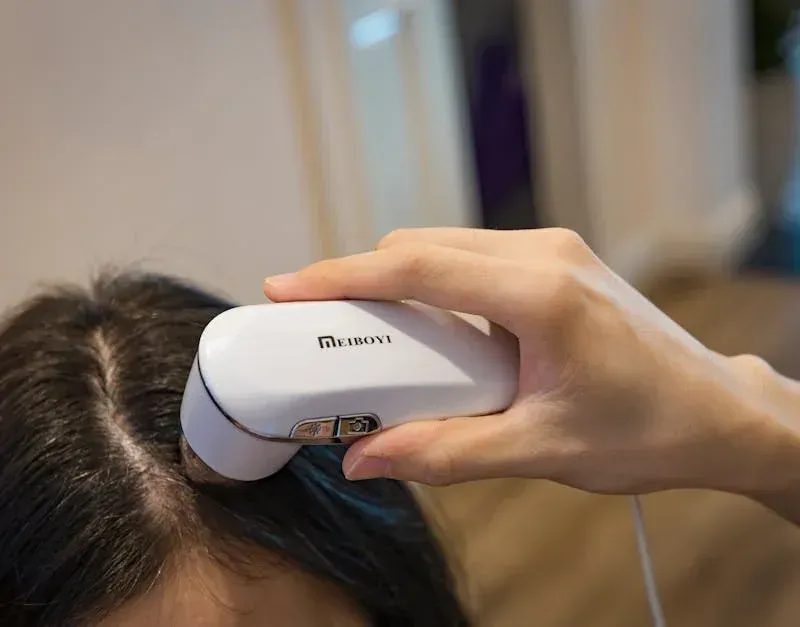
Oral pharmacologic options (such as prescription‑only 5‑ARIs) require clinician oversight and regulatory compliance. For consumers seeking non‑prescription options, nutraceuticals and certain nutritionally oriented ingredients are common, though evidence quality varies. Low‑level light therapy (LLLT) devices offer at‑home options with device‑specific evidence; these require clear use instructions and device validation data for marketing claims.
Clinically administered options—PRP and related approaches
Platelet‑rich plasma (PRP) therapy represents a clinician‑driven option for select patients and settings. Access depends on medical infrastructure, patient suitability, and regulatory guidance. For product manufacturers, PRP sits outside consumer private‑label products but informs the broader treatment landscape and patient expectations when discussing comprehensive care strategies.
Safety, Regulation, and Clinically Relevant Considerations 🛡️
Regulatory landscape—OTC vs prescription
OTC status generally covers topical minoxidil in many markets, while oral 5‑ARI therapies are prescription‑only in many regions. Ketoconazole and some nutraceuticals occupy varying regulatory spaces depending on concentration and claims. Clear labeling, evidence‑based claims, and appropriate contraindications help ensure compliant product introductions and patient safety when private‑labeling or formulating for clients.
Safety considerations and adverse effects
Adverse effects range from scalp irritation and contact dermatitis with topical products to systemic risks with oral therapies. Patient education on signs of adverse events, proper application, and adherence is essential. Ongoing monitoring, especially for systemic therapies or device use, supports safe and effective outcomes.
Drug interactions, pregnancy, and comorbidities
Some hair growth interventions can interact with other medications or conditions. For example, hormonal therapies or pregnancy considerations require careful planning and medical oversight. Tailor product selections to individual medical histories, prioritizing safety and informed consent.
Real‑World Efficacy, Timeframes, and What to Expect ⏳
Most interventions show gradual improvements over months rather than weeks. Consistent use is critical; halting therapy can reverse gains or slow progress, particularly with active pharmacologic options. Real‑world responses vary by genetics, underlying cause (AGA vs TE), age, and adherence to a comprehensive scalp care routine.
Personalization: Hair Type, Age, and Gender Consider 🎯
Hair type and scalp sensitivity
Fine or oily scalps may tolerate different vehicles and actives than thick or dry scalps. Formulators should consider pH, viscosity, and scalp‑friendly solvents to minimize irritation while maximizing absorption and comfort for sensitive users.
Gender‑specific considerations
Approach differences include regulatory status, typical onset timelines, and commonly co‑existing conditions. While some interventions show broad applicability, certain products or regimens may be optimized for gender‑specific patterns and hormonal contexts, with pregnancy‑related cautions clearly communicated.
Age and comorbidity considerations
Older adults may present with comorbidities or polypharmacy that influence safety and choice of therapy. Younger consumers may prioritize tolerance and lifestyle compatibility. Personalization should account for lifestyle, occupation, and concurrent therapies to maximize adherence and outcomes.
Practical Decision Framework: How to Choose the Right Path 🧭
Step 1 — diagnosis and condition prioritization
Start with a clear diagnosis (AGA, TE, or other) and rank treatment goals by hair density improvement, shedding reduction, and scalp health. For contract manufacturing, align product concepts with the prioritized condition and regulatory feasibility.
Step 2 — risk–benefit assessment
Evaluate the balance between efficacy, safety, and user burden. OTC topical options offer ease and accessibility; prescriptions or devices may deliver stronger results but require clinical oversight and higher commitment.
Step 3 — regimen design and adherence planning
Design a cohesive routine that integrates actives, delivery formats, and scalp care steps. Provide clear usage instructions, dosing frequency, and a plan for managing potential adverse effects to sustain long‑term adherence.
Step 4 — budget and go‑to‑market considerations
Estimate formulation, packaging, and label costs for private‑label projects, while accounting for regulatory review and stability testing. A phased rollout can help manage risk and optimize manufacturing timelines for a growth program.
Market Trends and Regulatory Insights (2023–2026) 📊
Recent trends include a shift toward clean‑label products with natural or food‑based ingredients, ongoing regulatory scrutiny of claims, and the rapid growth of at‑home LLLT devices. The nutraceutical and peptide spaces are expanding, but consumer safety hinges on robust evidence quality and transparent labeling. For manufacturers, this landscape underscores the value of offering scalable, compliant private‑label solutions with rigorous quality control and clear documentation for each ingredient and device used.
Scalp Care Routine and Maintenance 🧴
Scalp cleansing and exfoliation
A gentle, routine cleansing strategy supports product absorption and scalp health. Periodic exfoliation can remove buildup that hinders follicle access, particularly when using medical or cosmetic actives in succession.
Moisture management and protection
Maintaining balanced moisture helps prevent irritation and supports barrier function. Water activity, humectants, and soothing ingredients should be considered when designing dense or lightweight formulations for different seasons and climates.
Lifestyle factors and sequencing
Nutrition, sleep, and stress management complement pharmacologic or device strategies. Sequencing—cleansing, treatment, scalp massage, and barrier care—helps optimize absorption and tolerability while guiding consumers toward a consistent routine.
Competitive Landscape Snapshot and Table of Comparison 🧪
The following items are commonly evaluated by brands seeking a one‑stop manufacturing and packaging partner for cosmetics and supplements. Each item is reviewed across core criteria so you can compare at a glance.
Minoxidil topical solution
Regulatory status — OTC vs prescription
In many markets, topical minoxidil is OTC; however, product labeling must accurately reflect approved concentrations and usage. Modifications or combination products may trigger additional regulatory review.
Efficacy by condition — AGA/TE/general hair loss
Evidence supports improvements in density and hair count in AGA and some TE cases, though response is variable and often gradual over several months.
Mechanism of action
Minoxidil promotes follicular growth and prolongs the anagen phase, with local vascular and metabolic effects on the scalp.
Onset of results
Most users see meaningful changes after 4–6 months of consistent use, with earlier improvements in some individuals.
Safety and adverse effects
Common adverse effects include scalp irritation or dryness; rare systemic effects are uncommon at OTC topical doses.
Typical cost/month
Prices vary by market and concentration, typically in the low to mid‑range per month for consumer‑level products.
Usage and adherence requirements
Daily or near‑daily use is usually recommended; missing several days can blunt progress.
Finasteride
Regulatory status
Primarily prescription in many regions; a clinician must evaluate risks and benefits before use.
Efficacy by condition
Evidence supports slowing hair loss and, in some cases, regrowth in men with AGA; results do not generally apply to women in the same way.
Mechanism
Inhibits conversion of testosterone to DHT, reducing follicle miniaturization linked to AGA.
Onset
Clinical improvements often emerge after several months of therapy and require continued use to maintain gains.
Safety
Potential sexual side effects and rare systemic risks require careful patient counseling and monitoring.
Cost/month
Prescription costs and insurance coverage influence monthly expenditure; private‑label formulations are not typical for this drug class.
Usage
Adherence hinges on daily oral dosing and physician follow‑ups for safety checks.
Dutasteride
Regulatory status
Usually prescription-only in many markets due to systemic exposure considerations.
Efficacy
Evidence suggests potent DHT suppression, with potential improvements in some AGA cases, though data are mixed for women.
Mechanism
Dual inhibition of type I and II 5‑reductase enzymes lowers DHT levels more broadly than finasteride.
Onset
Typically requires several months to evaluate benefits and tolerability.
Safety
Similar risk profile to other 5‑AR inhibitors; requires clinician oversight and discussion of sexual, hormonal, and pregnancy considerations.
Cost
Prescription costs vary; device and private‑label alternatives may offer different budget implications.
Usage
Long‑term adherence is essential; discontinue only under clinician guidance to avoid rapid regression.
Ketoconazole shampoo
Regulatory status
Typically OTC in mild strengths; higher strengths or combination formulations may require regulatory review.
Efficacy
May reduce scalp inflammation and dandruff while contributing to a healthier scalp milieu that supports hair growth in some users.
Mechanism
Antifungal activity with potential anti‑androgenic scalp effects and anti‑inflammatory benefits.
Onset
Improvements in scalp condition may appear within weeks; hair growth effects are often supplementary to other actives.
Safety
Generally well tolerated; monitor for irritation or contact dermatitis in sensitive individuals.
Cost
Typically affordable and widely accessible as an OTC product.
Usage
Usage frequency varies; many users apply 2–3 times per week or as directed by product guidelines.
LLLT device
Regulatory status
Devices are regulated as medical devices in many markets with device‑level clearance or certification requirements.
Efficacy
Clinical data show variable but favorable results for some users, with effects influenced by device type, treatment duration, and adherence.
Mechanism
Light energy is believed to stimulate cellular respiration and improve follicular activity, though mechanisms are still under study.
Onset
Results typically emerge after several months of regular use; consistency is key.
Safety
Generally safe with minimal adverse effects; monitor for scalp irritation or transient dizziness in rare cases.
Cost
Device costs range widely; ongoing consumables or battery replacements may add to monthly budgets.
Usage
Most devices require multiple sessions per week for sustained benefit; adherence planning is important for return on investment.
PRP therapy (clinical)
Regulatory status
Procedural and regulatory pathways vary by country; PRP is performed in clinical settings and involves tissue processing standards.
Efficacy
Clinical improvements were reported in select patients, particularly when combined with other therapies; outcomes depend on patient selection and technique.
Mechanism
Concentrated platelets release growth factors that may support follicle viability and regeneration signals.
Onset
Typically assessed over several sessions spanning months; results vary by individual.
Safety
Generally well tolerated; risks include injection‑site discomfort and rare infection or scarring concerns.
Cost
Procedural costs are often higher than consumer products and can be a barrier for some patients.
Usage
Scheduling and access depend on medical facilities; intensity of treatment plans varies by patient plan.
Copper peptide serums
Regulatory status
Typically marketed as cosmetics or personal care products with clear labeling; FDA status depends on claims and ingredient limits in the jurisdiction.
Efficacy
Some evidence suggests improvements in follicle signaling and healing, but effects on hair density are generally modest, and support is product‑dependent.
Mechanism
Peptide signaling may support follicle health and extracellular matrix maintenance.
Onset
Visible changes, if any, may occur after several months of consistent use.
Safety
Typically well tolerated; monitor for irritation or sensitivity in sensitive individuals.
Cost
Pricing varies with concentration and brand positioning; more premium options may incur higher monthly costs.
Usage
Often used daily or several times per week; combination regimens should consider sequencing with active therapies.
Saw palmetto supplement
Regulatory status
OTC dietary supplements with variable regulatory oversight by regions; claims must avoid disease treatment language to remain compliant.
Efficacy
Evidence ranges from supportive to inconclusive; some users report benefits in conjunction with topical therapies, while results are inconsistent across populations.
Mechanism
Proposed anti‑androgenic effects and anti‑inflammatory actions on scalp tissues, though mechanisms are not fully elucidated.
Onset
Using supplements typically requires weeks to months before any noticeable effect is observed, if at all.
Safety
Generally well tolerated, but potential interactions with anticoagulants or hormonal therapies should be considered; discontinue if adverse effects occur.
Cost
Moderate ongoing cost; price varies by brand and formulation.
Usage
Daily adherence is common; seek professional guidance if combining with prescription therapies.
FAQ and Myths vs Evidence 🧠
Q: Do all hair growth products work for everyone? A: No. Response depends on the underlying condition, genetics, age, and adherence. Realistic expectations and a personalized plan help manage outcomes.
Q: Can I mix multiple products at once? A: Combination regimens can be effective but require careful sequencing to avoid irritation and interactions. Start with one primary therapy, then add adjuncts under professional guidance.
Q: Are natural ingredients as effective as synthetic ones? A: Some natural ingredients offer scalp‑health benefits and can complement active therapies, but isolated claims of high efficacy require robust evidence. Prioritize products with transparent data and quality standards.
Q: How do I choose a private‑label partner for growth hair products? A: Look for regulatory compliance, quality control programs, formulation capabilities, and a track record with private‑label and contract manufacturing for cosmetics and supplements. A partner should offer end‑to‑end services from sourcing to packaging with clear stability data and scalable production.
Closing Notes for Partners — Why Ingredientsage Fits Growth Hair Programs 🏭
Ingredientsage specializes in private‑label and contract manufacturing for cosmetics and dietary supplements, offering end‑to‑end solutions from raw material sourcing to final packaging. With a focus on organic and natural, food‑based ingredients for clean‑label products, we support established brands and new launches seeking scalable manufacturing, fast go‑to‑market timelines, and robust quality control. Our approach emphasizes data‑driven formulation development, safety, and regulatory compliance to help partners deliver credible, consumer‑friendly hair growth products.
Expert perspective: A cosmetic science professional notes that a disciplined blend of evidence‑based actives, scalp‑friendly formulations, and transparent labeling is central to sustained consumer trust and practical efficacy in growth hair products.


