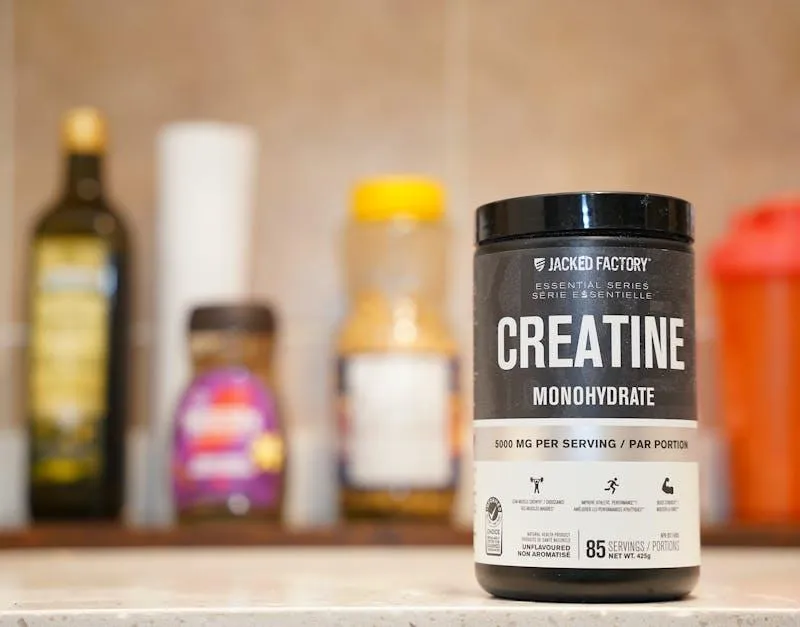
Creatine Supp: A Comprehensive Guide to Benefits, Forms, Dosing, and Safety
Introduction 🧭:
Learn more from the creatine sports supplement: a comprehensive guide to benefits, use, and safety to understand its role in athletic performance.
For a comprehensive, evidence-based overview of creatine, see the creatine supplement guide: benefits, dosage, safety, and how to choose the best form, which is relevant for brands, manufacturers, and informed buyers evaluating products.
What is creatine? Forms and mechanisms 🧬
Overview of common forms
Creatine exists in several chemical forms, but their core mechanism remains similar: to replenish phosphocreatine stores in muscle and support rapid ATP regeneration during high intensity, short duration efforts. The most widely used form is creatine monohydrate, followed by alternatives such as creatine hydrochloride, Kre Alkalyn buffered creatine, malate, citrate, nitrate, and magnesium chelate. While these alternatives are marketed for claims like improved solubility or GI comfort, the robust body of evidence still most strongly supports monohydrate for performance and lean mass benefits. For product development, this means basing formulation decisions on monohydrate as the default, then evaluating tolerability or marketing claims for any alternatives on a case by case basis.
Creatine monohydrate: the baseline
Creatine monohydrate is the form with the most consistent and sizeable evidence across diverse populations, including trained athletes, older adults, and recreational exercisers. It is cost effective, widely available, and generally well tolerated when used at recommended doses. In the context of cosmetic or dietary supplement manufacturing, monohydrate offers straightforward formulation, predictable stability, and clear labeling that aligns with regulatory expectations. Some products emphasize microencapsulation or hydration strategies to enhance solubility, but head to head data do not consistently show superior performance outcomes compared with standard monohydrate for most consumers.
Alternatives and what they offer
Alternative forms are often marketed for improved solubility, reduced GI distress, or perceived faster uptake. However, robust, head to head data comparing these forms to monohydrate are limited or inconsistent. Solubility improvements do not consistently translate to greater muscular uptake or greater performance benefits, and many claims rely on indirect or surrogate endpoints. If choosing an alternative form, ensure there is transparent evidence, clear serving sizes, and independent quality assurances. For private label brands, alternatives may be used to differentiate a product line, but they should not sacrifice the core evidence based benefits that monohydrate reliably delivers.
Evidence-based benefits for performance, body composition, and cognition 🏋️♀️🧠
Across hundreds of trials, creatine monohydrate consistently improves maximal strength, peak power, and lean mass gains when combined with resistance training. These effects are robust in young and middle aged adults and appear with modest or variable effects on endurance performance depending on the protocol. Meta-analyses through the mid 2020s continue to confirm small to moderate gains in strength and body composition, with a typical lean mass advantage accompanying ongoing training. Beyond physical performance, emerging evidence suggests potential cognitive and metabolic benefits in select populations, such as sleep deprived individuals and aging adults, though findings are more nuanced and context dependent. Overall, creatine remains one of the most well studied, safe, and accessible ergogenic aids for healthy adults when used as directed.
Clinical guidance emphasizes consistent daily dosing and attention to hydration and quality.
Creatine monohydrate continues to be the gold standard in ergogenic supplementation due to its strong evidence base, broad applicability, and favorable safety profile in healthy adults.
Practical takeaways for product developers and consumers: the strongest performance benefits come with continued, habitual use in conjunction with training, not from sporadic loading alone. Real world adherence, product quality, and accurate labeling are essential to translate this science into real world gains.
Dosing strategies: loading vs non-loading and maintenance 💊
Two commonly used dosing strategies are loading with a short high dose followed by a maintenance phase or a steady maintenance dose without a loading period. The loading approach typically uses about 0.3 g/kg per day for 5 to 7 days to rapidly saturate muscle creatine stores, followed by a maintenance dose of about 3 to 5 g per day. The non loading approach uses a steady 3 to 5 g per day without a loading phase, with saturation occurring over roughly 2 to 4 weeks. For many individuals, either approach yields similar long term gains once full saturation is achieved. Weight based dosing during loading can be practical for product guidelines, but the maintenance range is generally sufficient for most adults. Consider consumer tolerance, convenience, and packaging when designing a private label product, and provide clear, evidence based dosing guidance to avoid confusion or underdosing.
In a private label context, packaging should include explicit serving sizes and, if possible, a quick reference chart for different body weights. Clear labeling reduces the risk of under dosing and supports better consumer outcomes. If you choose a loading strategy, be mindful of potential GI upset in a subset of individuals, and ensure your formulation includes appropriate hydration messaging and practical storage guidance.
Timing and co ingestion with carbohydrates or protein ⏱️🥗
There is no single mandatory timing for creatine to exert its ergogenic effects. Daily, consistent dosing is the key factor for saturation. Some analyses suggest marginally greater muscle uptake when creatine is consumed post exercise with carbohydrates or protein, but the practical significance is small for most users. For product messaging, you can emphasize flexible timing and recommend pairing with meals or post workout nutrition if convenient, while highlighting that consistency matters more than exact timing. For brands, offering a suggested usage window within the label can improve user adherence without overpromising timing-specific benefits.
Safety, kidney health, and special populations 🧪⚖️
Extensive data in healthy adults support the safety of standard creatine dosing for extended periods. Common side effects include rare mild GI distress or transient water retention, usually manageable with hydration and proper dosing. Kidney health considerations are particularly important for individuals with pre existing kidney disease or impairment; medical supervision is advised in those cases. For private label development, include disclaimers for at risk populations and encourage consumers to discuss supplementation with a healthcare provider if they have kidney concerns, a history of kidney disease, or are taking nephrotoxic medications. Emphasize hydration and responsible packaging to support safe use in consumer populations.
Forms of creatine: monohydrate vs alternatives 🧬
Creatine monohydrate is the default recommendation for most adults because of its dense evidence base, cost effectiveness, and strong safety profile. Other forms such as HCl, Kre Alkalyn, malate, citrate, nitrate, and magnesium chelate are marketed with claims around solubility, GI comfort, or uptake. However, robust, consistent data comparing these forms to monohydrate are limited or mixed. For brands, this means starting with monohydrate and only introducing alternatives if there is a clear consumer value proposition, backed by independent testing and transparent labeling. When formulating a product line, document the rationale for any alternative form and provide evidence cards that explain the rationale to retailers and consumers.
Product quality, labeling, and avoiding under dosed or adulterated products 🏷️🔎
Quality and transparency are central to consumer trust. Choose high purity creatine monohydrate from reputable suppliers and avoid opaque blends that obscure serving sizes. Third party testing and transparent labeling are essential, with batch numbers, purity claims, and certifications where applicable. For private label clients, insist on independent third party analysis and clear, accurate per serving creatine content rather than proprietary blends that mask actual dosing. Avoid products that advertise exaggerated claims about rapid uptake or unrealistic solubility without credible supporting data.
Interactions with caffeine and other dietary factors ☕🧪
Evidence on caffeine interaction with creatine is mixed. Early studies suggested caffeine might blunt some effects, but subsequent analyses show no consistent antagonism of benefits when caffeine and creatine are consumed together. Overall, concurrent use is generally safe, though individual responses vary and GI comfort may be affected in some users. Practical guidance for products: advise consumers to monitor how they feel when combining caffeine with creatine and adjust timing if needed. If formulating a product with caffeine, clearly label caffeine content and consider providing usage guidance that aligns with consumer convenience and tolerance.
Myths and misconceptions (with current evidence) 🪄🚫
Common myths persist, but current evidence helps separate fact from fiction. Myth 1: Loading is mandatory for benefits. Reality: loading accelerates saturation, but non-loading achieves similar long-term outcomes. Myth 2: Creatine harms kidney health in healthy individuals. Reality: robust data indicate safety for healthy adults with recommended dosing; risk is primarily in those with pre-existing kidney disease. Myth 3: Only bodybuilders benefit. Reality: a wide range of athletic populations, as well as certain cognitive and metabolic contexts, show benefits; this is not limited to a single sport or demographic. Use the latest reviews to craft accurate, consumer friendly messaging in product labeling and marketing materials.
Practical consumer checklist and selecting a reputable product. 🧾✅
Form prefer creatine monohydrate with transparent labeling of total creatine per serving.
Purity and testing look for third party testing and clear batch information; avoid opaque proprietary blends.
Serving size verify that the label reflects actual creatine content per serving and that the maintenance dose aligns with guidance.
Usage guidance review dosing options for loading or non-loading strategies and ensure the product messaging supports adherence.
Quality controls consider manufacturers with clean room certifications, good manufacturing practices, and a track record of consistent supply.
Return policy choose brands with transparent policies and clearly stated guarantees to support consumer trust.
Integrating the latest meta-analyses and guidelines through 2025–2026 🗂️📚
Across recent meta analyses and guidelines, creatine monohydrate remains consistently associated with improvements in maximal strength, power, and lean mass in resistance trained individuals. The safety profile for healthy adults is favorable when dosing follows established guidelines, with hydration and kidney health considerations emphasized for at risk populations. Newer formulations continue to be explored, but current consensus highlights that monohydrate is the reference standard and that ongoing research should inform any product development shifts. For industrial teams, staying current with major reviews published through 2025 and 2026 will support accurate product claims, regulatory compliance, and scientifically grounded consumer education. Build product narratives around robust evidence, transparent labeling, and practical dosing guidance that resonates with both retailers and end users.
Conclusion 💡
Creatine supplementation, especially in the monohydrate form, offers well supported benefits for healthy adults seeking strength, power, and lean mass gains. The safety profile is favorable when used as directed, with hydration and kidney health considerations noted for at risk individuals. A practical approach combines clear dosing strategies, transparent labeling, and a robust quality program to ensure that products perform as promised. By aligning product development with current meta analyses and guidelines through 2025–2026, brands can deliver evidence based, trusted creatine products that meet consumer expectations and support faster go-to-market while upholding the strongest industry standards for quality and safety.


