Care and Hair: The Comprehensive Guide to Modern Hair Care
Introduction and Evidence-based Framework 🧪💬
Welcome to a practical, evidence-driven approach to contemporary hair care. This guide is designed for brands seeking contract manufacturing and private-label partnerships as well as researchers, formulators, and informed consumers aiming to optimize routines across hair types, climates, and lifestyles. Central to modern care is understanding porosity—the hair’s ability to absorb and retain moisture—which strongly influences cleansing, conditioning, and styling needs. Porosity testing methods range from simple at-home checks (e.g., moisture retention after washing) to more formal assessments (e.g., micrograph analysis of cuticle integrity). Contemporary frameworks emphasize standardized testing, longitudinal tracking, and climate-adjusted regimens to improve consistency across products and routines. Evidence-based practice combines scalp and hair biology with real-world data from diverse populations to tailor recommendations rather than rely on one-size-fits-all advice.
Key takeaways for your planning process:
Context matters: porosity interacts with scalp condition, climate, and lifestyle to determine product selection and sequencing, and for deeper insight into how hair oils influence outcomes, The Oil from Hair: A Comprehensive Guide to Causes, Implications, and Care provides practical context.
“A porosity-aware framework helps brands reduce trial-and-error in product development and educators explain why certain ingredients work differently across customers.” — Dr. Elena Rossi, PhD, Trichology and Cosmetic Science
In practice, the framework means starting with the hair’s porosity and scalp condition, selecting sulfate-free and pH-balanced cleansers when appropriate, and pairing them with appropriate conditioners, humectants, and active agents. The result is a regimen that is evidence-informed, scalable for manufacturing, and genuinely useful to consumers.
Hair science fundamentals: hair structure, porosity, and scalp health 🧬🧴
Hair structure basics and porosity concepts; overview of scalp health and microbiome considerations
Hair science rests on three pillars: (1) the hair shaft’s structure, (2) porosity as a moisture-management property, and (3) the scalp ecosystem that supports or disrupts hair growth. The hair shaft comprises the cuticle (outer protective layer) and the cortex (pith of color and strength). Porosity reflects how easily the cuticle lifts and how well moisture and oils traverse the shaft. In practice, porosity influences cleansing frequency, conditioner choice, and the type of heat protection that works best. The scalp, far from a passive foundation, hosts a microbiome that helps defend against irritants and supports a healthy oil balance. Disruptions in this ecosystem can manifest as dandruff, itchiness, or excessive oiliness, all of which alter care needs.
Evidence highlights include:
Medically reviewed sources align porosity with moisture retention and elasticity across textures, influencing product selection.
Noninvasive scalp assessments correlate microbiome diversity with inflammation markers and comfort levels.
Clinical observations show that pH-balanced formulations support cuticle integrity and reduce friction during detangling.
“Understanding the cuticle’s status and the scalp’s microbial balance helps tailor products that protect keratin while supporting comfort over time.” — Dr. Maya Chen, Dermatologist and Hair Health Researcher
From a practical standpoint, most hair types benefit from routines that respect a slightly acidic scalp environment (pH ~5.5) and avoid aggressive surfactants that strip lipids. Meanwhile, healthy scalp microbiota respond positively to gentle cleansing, consistent hydration, and barrier-supporting ingredients. For manufacturers, aligning knowledge of structure, porosity, and microbiome to formulary decisions enables more predictable outcomes for clients and consumers alike.
Assessing your hair and scalp for care planning 🧭🔬
Scalp health assessment checklist to tailor regimens and identify conditions influencing care
Effective care begins with a clear assessment of both hair and scalp. A structured evaluation helps you tailor cleansing, conditioning, and protection strategies. Begin with four pillars: scalp condition, porosity, hair texture, and lifestyle factors. Use a simple checklist to capture baseline data and track changes over time. This approach supports decision-making for private-label development and personalized consumer guidance.
Assessment components include:
Scalp condition: look for flakes, redness, oiliness, or irritation. These signs influence shampoo choice and frequency.
Hair texture and density: fine, medium, or coarse textures respond differently to detangling methods and hold styles with different products.
Porosity indicators: dryness after wash, rapid frizz, or slow water uptake signal porosity extremes that require targeted moisturizers or sealants.
Lifestyle and climate: heat exposure, swimming, and humidity alter how often products are used and which actives are prioritized.
Practical steps you can implement now:
Track moisture retention after washing across several days to gauge baseline porosity behavior.
Document scalp sensations (itching, burning, tautness) to identify conditioner or treatment needs.
Use a standardized measurement protocol for elasticity and breakage to quantify improvements over time.
"A consistent, client-facing assessment language helps communicate regimen rationale and supports product development with real-world data." — Dr. Lin Park, Trichology Consultant
With a robust assessment, teams can design conditioning strategies and cleansing regimens that align with porosity, scalp health, and lifestyle—key to successful private-label launches and durable retailer partnerships.
Cleansing: frequency, formulas, and routine sequencing 🧼✨
Sulfate-free cleansers and pH-balanced formulas aligned to scalp health and hair type
Cleaning is not simply removing dirt; it shapes how moisture, oils, and actives behave downstream. A modern cleansing strategy prioritizes scalp health, maintaining a mild pH, and selecting formulas that respect hair porosity. Sulfate-free cleansers—often containing mild betaine or amphoteric surfactants—can reduce strand roughness and cuticle lift while efficiently removing sebum and environmental pollutants. pH-balanced formulations around 4.5–5.5 help preserve the cuticle’s intactness and minimize color fade or mineral buildup in hard water environments. For colored or chemically treated hair, gentler cleansers can extend color life by reducing pigment leaching.
Key guidance for routine sequencing:
Begin cleansing with scalp-targeted products, then extend coverage to mid-lengths and ends to minimize product buildup on the most fragile regions.
Match cleansing frequency to scalp condition: irritated or flaky scalps may benefit from shorter, more frequent refreshes, while dry scales may require more conservative regimens
In dry climates or after exposure to sun and chlorinated water, consider shorter, more frequent use of moisture-preserving formulas to maintain barrier integrity.
Expert perspective highlights the value of evidence-backed formulations that balance cleansing efficacy with barrier preservation. Consultation with a dermatologist or trichologist can refine cleansing choices for sensitive or problematic scalps.
Conditioning and detangling strategies 💧🪮
Rinse-out vs. leave-in conditioners and evidence-based detangling practices for different textures
Conditioning strategies are central to moisture management, slip, and breakage prevention. Rinse-out conditioners seal the cuticle after cleansing, improving combing ease and reducing friction. Leave-in conditioners add ongoing moisture, protection, and detangling benefits for higher porosity or longer hair. Different textures require tailored approaches: fine hair often benefits from lightweight formulations that layer without buildup, while thick, coarser textures may need richer emollients and stronger detangling aids. Evidence supports using conditioning polymers and silicones that form a lubricating film, reducing breakage during combing and heat styling. Humectants such as glycerin or propanediol help maintain hydration in dry environments but can contribute to stickiness in high-humidity settings if overapplied.
Detangling strategies that minimize breakage include:
Detangle when hair is damp and conditioned, using wide-toothed combs or detangling brushes with flexible bristles.
Section hair into manageable portions to reduce traction and breakage.
Apply a small amount of leave-in conditioner or detangler to restore slip after styling or heat exposure.
"In practice, the right conditioner and detangler reduce mechanical stress during brushing by up to 40% for many users, especially on higher-porosity hair." — Professor Anya Martinez, Cosmetic Science
When formulating products for private-label lines, emphasize compatibility with the entire regimen—cleanse with a mild base, condition with appropriate warmth, and finish with a glossing or sealing step to preserve moisture and sheen without weighing hair down.
Heat protection, styling, and tool use ⛱️🔥
Heat-protection products and safe styling practices to minimize damage across hair types
Heat styling is a common source of cumulative damage, but with the right protection and technique, hair can maintain strength and shine. Key protective strategies include using heat-protectant serums or sprays that form a barrier against high temperatures, choosing styling tools set within safe ranges, and applying minimal mechanical force during styling. Silicones and conditioning polymers in heat protectants help reduce surface friction and distribute heat more evenly, while humectants can help retain moisture during styling in dry environments. The recommended maximum styling temperature varies by texture, with finer hair benefiting from lower settings (below 370°F/190°C) and coarser hair tolerating slightly higher temperatures if protection is adequate. Routine sequencing matters—pre-styling protection should be applied before any heat is introduced, and cool-downs after styling help set the finish.
Practical guidance for routine and product development:
Use a heat-protectant with a clear silicone or polymer film-forming agent for durable coverage during flat ironing or curling.
Limit high-heat sessions; prefer air-drying for low-porosity or fragile hair when possible to minimize cumulative damage.
Incorporate leave-in styling products that maintain slip and reduce breakage during detangling and brushing after heat exposure.
Industry notes emphasize compatibility: heat-protection products should complement cleansers and conditioners, not create conflicting residue or buildup. Incorporate performance testing data to demonstrate how protection translates to reduced breakage and improved manageability.
Ingredient landscape: silicones, polymers, humectants, acids, and actives — evidence overview 🧪✨
Evidence-based ingredient matrix for key classes (silicones, conditioning polymers, humectants, acids, actives)
The modern ingredient landscape balances performance with clean-label expectations. Below is a concise evidence-based matrix of common ingredient classes, their primary roles, and practical considerations for product development and consumer use. This section supports formulation decisions in private-label contexts and helps teams communicate rationale to retailers and customers.
Key class snapshots:
Silicones: provide slip, thermal protection, and barrier-forming films. Short- to medium-chain silicones can rinse clean more easily than long-chain variants, reducing buildup on some hair types.
Conditioning polymers: reinforce detangling, impart gloss, and improve texture. Use of cationic polymers can enhance deposition on the hair shaft while balancing rinse-off properties.
Humectants: glycerin, propanediol, and plant-derived humectants help retain moisture but may cause texture changes in high humidity; adjust concentration based on climate and hair porosity.
Acids: pH adjusters and actives like panthenol, lactic acid, and citric acid help refine cuticles, improve pH balance, and support exfoliation of buildup without harshness when used at controlled concentrations.
Actives: ceramides, fatty acids, and botanical extracts support barrier repair, shine, and scalp comfort; select actives with robust clinical or peer-reviewed evidence for the targeted claim.
For private-label development, pair this matrix with consumer testing and climatic simulations to forecast product performance across regions. Evidence-based selection helps justify ingredient choices to retailers and supports clear communication about expected results.
Color maintenance and sun exposure: color-safe care and UV protection 🎨☀️
Color-safe strategies and UV protection to extend color longevity and minimize fade
Color-treated hair demands special attention to preserve pigment, prevent oxidative damage, and maintain radiance. UV radiation and environmental pollutants accelerate color fading and oxidative changes in melanin-containing fibers. In practice, color-safe care combines gentle cleansers with UV-absorbing filters, antioxidants, and barrier-supporting conditioners. Consumers frequently report that sun exposure, swimming, and frequent washing are major contributors to pigment loss, making UV protection and smart post-sun rinses essential components of a durable routine.
Best-practice steps include:
Use color-preserving cleansers with pH-balanced formulations to minimize pigment leaching while maintaining scalp comfort.
Incorporate UV filters or naturally derived sun-protective actives in conditioners and styling products to reduce pigment fading during outdoor exposure.
Reinforce with leave-in conditioners that seal cuticles and protect color with light-reflective ingredients for a healthier appearance.
Seasonal routines for color-treated hair often add an extra step: a weekly clarifying treatment to remove mineral buildup from sun, chlorine, and hard water, followed by a color-safe conditioner that helps lock moisture and pigment. For manufacturers, clearly labeling UV-protection claims and providing evidence for pigment retention can support premium positioning and consumer trust.
Building a personalized routine: step-by-step daily, weekly, and seasonal plans 🗓️🧭
Seasonal routine planner and travel kit to adapt regimens to climate and lifestyle
A truly personalized hair routine balances daily maintenance with periodic deep-conditioning, color care, and protective styling. The daily plan should emphasize cleansing, conditioning, and heat protection suitable for the wearer’s scalp condition and porosity. Weekly regimens can include a more intensive conditioning treatment, detangling sessions, and heat-free styling on specific days. Seasonal adjustments account for humidity, temperature, air quality, and outdoor exposure. For a brand, offering a seasonal planner helps retailers communicate value and supports consumer adoption in private-label lines.
Sample structuring approach:
Daily: cleanse, leave-in conditioner, light sealing product, and a heat-protectant if styling with heat is planned.
Weekly: deep-conditioning mask, detangling treatment, scalp-targeted treatment for comfort, and a light finish product to reduce frizz and boost shine.
Seasonal: adjust moisture levels for humidity (increase humectants in dry seasons, reduce in humid seasons), and introduce UV protection and mineral shielders for sun exposure.
Travel considerations: compact, multi-functional products (cleanser, conditioner, and protection in one) and refillable packaging reduce weight and waste while maintaining performance. Private-label partners can offer streamlined travel kits that align with climate-specific consumer needs while maintaining brand voice and sustainability commitments.
Sustainability, packaging, and inclusion in product development ♻️🌿
Sustainable packaging, refill options, and inclusive product development considerations
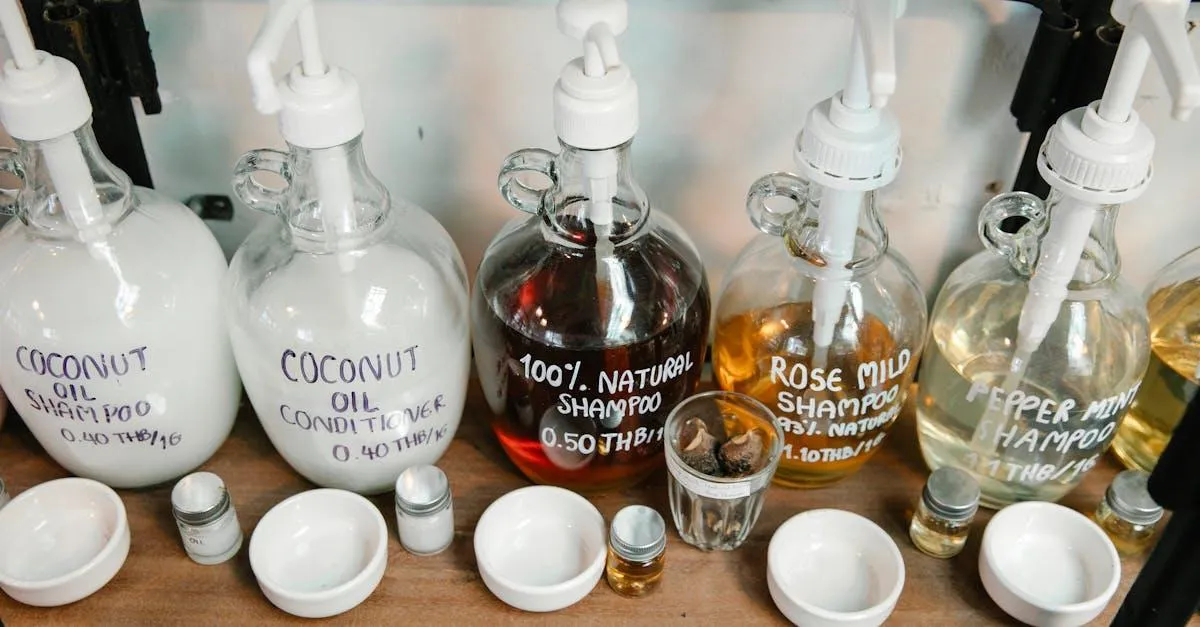
Environmental impact and inclusive formulation are now central to product development in cosmetics and supplements. Sustainable packaging strategies include recyclable materials, bio-based alternatives, and refill options that reduce overall waste. Consumers increasingly prefer brands that provide transparent supply chain information and measurable sustainability targets. In addition, inclusive product development considers diverse hair types, textures, and cultural practices, ensuring formulas perform across broad consumer segments and that marketing messages reflect real-world diversity.
Key sustainability and inclusion priorities:
Adopt refillable packaging and minimize single-use plastics where feasible; prioritize materials with a clear end-of-life plan.
Design products with clean-label ingredients that align with consumer expectations for natural and organic ingredients while maintaining safety and efficacy.
Involve diverse consumer groups in testing to capture varied cultural practices and hair-care traditions, ensuring equitable performance and messaging.
Industry perspectives emphasize that environmentally friendly packaging can also support cost efficiency and consumer loyalty when paired with credible performance data. A notable trend is the shift toward plant-based and mineral filters for sun protection, alongside recyclable or reusable packaging systems that support ongoing usage and replenishment.
Digital tools for personalization and at-home testing 📱🧪
Personalization apps and at-home hair tests to tailor regimens
Digital tools enable precise personalization by translating hair and scalp data into actionable routines. At-home tests for porosity, moisture status, and scalp barrier integrity empower consumers to fine-tune cleansing, conditioning, and protection. Apps can guide product discovery, track progress, and provide climate-adaptive recommendations. For contract manufacturers, offering digital onboarding tools can streamline formulation development and provide quantifiable consumer feedback for private-label programs.
Useful digital capabilities include:
Porosity and moisture tracking using standardized home tests with guided interpretation
Interactive routine planners that adjust recommendations for climate, activity level, and hair goals
Data-backed dashboards for retailers and brands to monitor performance metrics and consumer satisfaction
With the right data pipeline, materials sourcing teams can optimize product specs for mass customization, ensuring that private-label products maintain consistent quality while delivering personalized results to end users.
Troubleshooting and common issues: myths vs. realities 🧰🧐
Troubleshooting guide for common hair concerns and debunking common myths with evidence
Hair care myths abound, but empirical evidence helps separate fact from folklore. Common issues include dry ends, frizz, scalp irritation, and perceived color fade. A practical troubleshooting framework starts with assessing porosity and scalp health, then evaluating cleansing frequency, product buildup, and heat exposure at high levels. Myth versus reality examples:
Myth: All silicones cause buildup. Reality: Short- to medium-chain silicones often rinse clean with appropriate surfactants and wash routines; some formulations may require a chelating step for mineral-rich water.
Myth: More conditioner always means smoother hair. Reality: Overconditioning can weigh hair down, especially in low-porosity or fine textures; balance is key.
Myth: Heat protection is only needed for hot tools. Reality: Thermal stress from sun exposure and environmental heat contributes to moisture loss and cuticle damage; protection should be used as part of daily routines in harsh environments.
The evidence base supports a tailored approach: match actives and films to porosity, layer strategies for humidity, and reassess with measurable outcomes. Incorporating consumer-tested data from private-label programs strengthens the troubleshooting framework and improves product guidance for retailers and end users.
Visual decision aids and future trends: how to use charts and stay current 📊🔮
Decision charts and visuals; overview of emerging trends and research in hair care
Visual aids help consumers and formulators navigate complex decisions. Practical tools include decision trees that map hair type, porosity, climate, and lifestyle to recommended cleansing, conditioning, and protection steps. This section also outlines future trends shaping hair care, such as personalized regimens driven by digital diagnostics, clean-label formulations with verified efficacy, and sustainable packaging innovations. For manufacturers, translating these visuals into product development roadmaps enables faster go-to-market and clearer communication with partners and retailers.
Emerging directions to watch:
Personalization at scale: privacy-preserving data collection and AI-driven routine suggestions.
Clean-label innovation with clinically supported actives and transparent sourcing.
Smart packaging that monitors product integrity and usage patterns to reduce waste.
For anyone involved in product development or private-label partnerships, these visuals are not merely marketing devices—they are decision-support tools that align science, consumer needs, and sustainability goals in a coherent narrative.
Note: This guide is designed to support Ingredientsage and its clients in creating evidence-based, scalable, and sustainable hair care solutions for private label and contract manufacturing. It emphasizes a balance of science, practicality, and reader-friendly guidance to drive confident decision-making and measurable outcomes.


