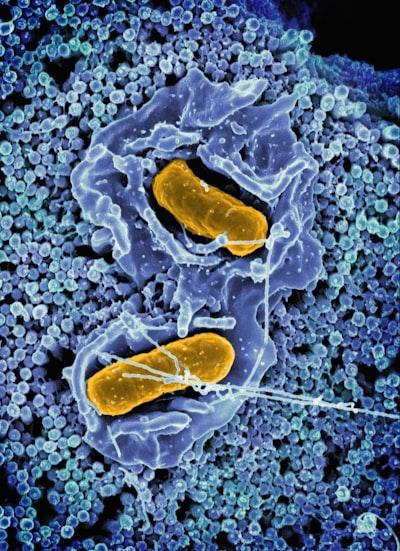
Archaea Probiotics: The Ancient Microbes Revolutionizing Gut Health
You've probably heard about probiotics by now, those beneficial bacteria that promise to improve your digestive health and boost your immune system. But here's something that might surprise you: there's a whole other category of microorganisms that's been quietly living in your gut for millions of years, and they're just starting to get the recognition they deserve. We're talking about archaea probiotics, and they're about to change everything you thought you knew about gut health.
Let me paint you a picture. While scientists have been busy studying the usual suspects, Lactobacillus, Bifidobacterium, and their bacterial cousins, there's been this entire kingdom of microorganisms hiding in plain sight. Archaea aren't bacteria at all. They're actually closer to us humans on the evolutionary tree, and that makes them incredibly fascinating from a biological standpoint.
What Exactly Are Archaea?
Here's where things get really interesting. Archaea are single-celled organisms that belong to their own domain of life, separate from bacteria and eukaryotes (that's us). They're ancient—we're talking billions of years old and they've survived in some of the most extreme environments on Earth. Think boiling hot springs, salt lakes that would pickle a cucumber in seconds, and deep ocean vents where the pressure could crush a submarine.
But here's the kicker: they're also living peacefully in your intestines right now. In fact, they make up about 4% of your gut microbiome, which might not sound like much until you realize that translates to trillions of these microscopic organisms calling your digestive system home.
The most well-studied archaea in the human gut is Methanobrevibacter smithii. Don't let the fancy name intimidate you; this little guy is actually doing some pretty important work in your intestines. It's what we call a methanogen, meaning it produces methane as a byproduct of its metabolism. Now, before you start worrying about becoming a walking gas factory, let me explain why this is actually a good thing.
What makes archaea particularly unique is their cellular architecture. Unlike bacteria, which have relatively simple cell walls made of peptidoglycan, archaea possess cell membranes composed of entirely different lipids. These ether-linked lipids are virtually indestructible under normal biological conditions, which explains why archaea can thrive in environments that would instantly kill most other life forms. This remarkable stability also means they can maintain consistent populations in your gut even when other microorganisms are fluctuating due to dietary changes, stress, or illness.
The evolutionary story of archaea is equally fascinating. These organisms represent one of the earliest forms of life on Earth, having evolved approximately 3.5 billion years ago when our planet was a very different place. The atmosphere contained virtually no oxygen, temperatures were extreme, and the chemical composition of the oceans bore little resemblance to today's marine environment. Archaea not only survived these harsh conditions but actually thrived in them, developing sophisticated metabolic pathways that allowed them to extract energy from chemical compounds that other organisms couldn't use.
How Archaea Probiotics Work Their Magic
The relationship between archaea and the bacteria in your gut is like a perfectly choreographed dance. While bacteria break down complex carbohydrates and fiber, they produce hydrogen gas as a waste product. Too much hydrogen can actually slow down the whole digestive process—it's like having too much exhaust in your car's engine.
That's where our friend M. smithii comes in. It literally eats that excess hydrogen and converts it into methane, which your body can easily eliminate. This process, called interspecies hydrogen transfer, keeps your digestive system running smoothly and efficiently. It's like having a built-in cleanup crew that works 24/7.
But the benefits don't stop there. Research is showing that archaea might play crucial roles in maintaining the delicate balance of your entire gut ecosystem. They help regulate pH levels, support the growth of beneficial bacteria, and may even influence how your body processes nutrients and maintains energy balance.
The metabolic partnership between archaea and bacteria extends far beyond simple hydrogen consumption. Recent studies have revealed that this relationship influences the production of short-chain fatty acids (SCFAs), which are crucial compounds that nourish the cells lining your intestinal wall. When archaea efficiently remove hydrogen from the gut environment, they create optimal conditions for bacteria to produce higher levels of beneficial SCFAs like butyrate, propionate, and acetate. These compounds don't just feed your intestinal cells—they also have systemic effects throughout your body, influencing everything from inflammation levels to brain function.
Moreover, archaea appear to act as ecosystem engineers in your gut. They help create microenvironments with specific chemical conditions that favor the growth of beneficial bacteria while discouraging harmful pathogens. This process, known as niche construction, means that archaea are actively shaping the microbial landscape of your digestive system in ways that promote overall health and stability.
The Metabolic Connection
One of the most exciting areas of archaea research involves their potential impact on metabolism. Some studies suggest that people with certain metabolic conditions, like obesity or diabetes, have different populations of archaea in their guts compared to healthy individuals. This doesn't mean archaea cause these conditions, but it does suggest they might be important players in how our bodies manage energy and weight.
Think about it this way: if archaea help optimize the efficiency of your digestive system, they might also influence how many calories you extract from food and how your body stores or burns energy. It's like having a metabolic tuning system that's been fine-tuned over millions of years of evolution.
The connection between archaea and metabolism appears to operate through multiple pathways. First, by optimizing hydrogen levels in the gut, archaea influence the efficiency of bacterial fermentation processes. More efficient fermentation means better breakdown of dietary fiber and more complete extraction of nutrients from food. This could explain why some people seem to get more energy from the same foods than others—their archaeal populations might be more effective at supporting optimal digestion.
Additionally, emerging research suggests that archaea may directly influence host metabolism through the production of specific metabolites. While bacteria produce the majority of gut-derived metabolites, archaea contribute their own unique compounds that can affect cellular energy production, fat storage, and glucose metabolism. Some of these archaeal metabolites appear to interact with human cellular receptors in ways that could influence appetite regulation and energy expenditure.
The Science Behind Archaea Probiotics
Now, you might be wondering why we're just hearing about archaea probiotics now if these organisms have been around forever. The truth is, archaea are incredibly difficult to study and cultivate in laboratory settings. Unlike bacteria, which are relatively easy to grow in petri dishes, archaea often require very specific conditions that are hard to replicate outside their natural environments.
It wasn't until recent advances in DNA sequencing and molecular biology that scientists could really start to understand what archaea were doing in our guts. These new techniques allow researchers to identify and study microorganisms without having to grow them in labs first—it's like being able to take a census of your gut without having to interview each resident individually.
The research is still in its early stages, but the results are promising. Studies have shown that people with healthy, diverse gut microbiomes tend to have stable populations of archaea, while those with digestive issues or certain diseases often show disrupted archaeal communities.
The technological revolution that enabled archaea research cannot be overstated. Traditional microbiology relied heavily on culturing organisms in laboratory conditions, but archaea proved stubbornly resistant to these approaches. Many archaeal species require extremely specific combinations of temperature, pH, pressure, and chemical composition that are nearly impossible to maintain in standard laboratory equipment. Some need environments completely devoid of oxygen, while others require specific mineral concentrations or symbiotic relationships with other microorganisms.
The breakthrough came with the development of culture-independent methods, particularly next-generation DNA sequencing and metagenomics. These techniques allowed scientists to extract DNA directly from gut samples and sequence it without ever having to grow the organisms in the lab. Suddenly, researchers could identify not just which archaea were present, but also what genes they carried and what metabolic functions they might be performing. This approach revealed a hidden world of microbial diversity that had been completely invisible using traditional methods.
Clinical Research and Findings
One particularly interesting study looked at the gut microbiomes of people from different parts of the world and found that archaeal populations varied significantly based on diet, geography, and lifestyle factors. People who ate more fiber-rich, plant-based diets tended to have more diverse and abundant archaeal populations, while those eating processed, low-fiber diets showed reduced archaeal diversity.
Another study examined the relationship between archaea and antibiotic use. Unlike bacteria, archaea are naturally resistant to most antibiotics because they have fundamentally different cellular structures. This means that while antibiotics can wipe out beneficial bacteria, archaea populations often remain stable. Some researchers think this might be one reason why some people experience prolonged digestive issues after antibiotic treatment—the carefully balanced relationship between bacteria and archaea gets disrupted.
Recent longitudinal studies have provided even more compelling evidence for the importance of archaea in human health. One landmark study followed individuals for over two years, tracking their gut microbiomes through various life events including illness, dietary changes, travel, and stress. The researchers found that while bacterial populations could fluctuate dramatically in response to these challenges, archaeal populations remained remarkably stable. However, when archaeal populations did change significantly, it often preceded or coincided with major shifts in overall gut health and digestive function.
Perhaps most intriguingly, researchers have discovered that the timing of archaeal colonization in early life may have lasting effects on health. Unlike bacteria, which begin colonizing the gut immediately after birth, archaea typically don't establish stable populations until later in infancy. Studies suggest that the age at which archaea first colonize the gut, and which specific species become established, may influence metabolic programming that persists into adulthood.
Potential Benefits of Archaea Probiotics
So what can archaea probiotics potentially do for you? While research is still ongoing, early studies suggest several promising benefits. First and foremost, they might help optimize your digestive efficiency. By managing hydrogen levels and supporting bacterial fermentation, archaea could help reduce bloating, gas, and other digestive discomforts.
There's also growing evidence that archaea might play a role in immune function. Your gut is home to about 70% of your immune system, and the complex interactions between different microorganisms help train your immune cells to respond appropriately to threats while leaving beneficial organisms alone. Archaea appear to be important players in this immune education process.
Some researchers are even exploring whether archaea might influence mood and cognitive function through the gut-brain axis. While this research is still very preliminary, it's an exciting possibility that these ancient organisms might have more far-reaching effects on health than we initially imagined.
The potential benefits of archaea probiotics extend into areas that researchers are only beginning to explore. For instance, some studies suggest that archaea may play a role in maintaining the integrity of the intestinal barrier—the crucial boundary that separates your gut contents from your bloodstream. A compromised intestinal barrier, often called "leaky gut," has been linked to numerous health issues including autoimmune conditions, allergies, and chronic inflammation. Archaea may help maintain this barrier by producing specific compounds that strengthen the tight junctions between intestinal cells.
Weight Management and Metabolic Health
One area where archaea probiotics show particular promise is in weight management and metabolic health. Some studies have found that people with certain archaeal populations tend to extract calories from food more efficiently, while others suggest that specific archaea might help regulate appetite and energy expenditure.
It's important to note that this doesn't mean archaea are a magic bullet for weight loss. Rather, they might be one piece of a much larger puzzle that includes diet, exercise, genetics, and overall lifestyle factors. But understanding how these organisms work could lead to more personalized approaches to nutrition and weight management in the future.
The relationship between archaea and weight management appears to be more nuanced than initially thought. While some archaeal species may increase caloric extraction from food, others seem to promote metabolic efficiency in ways that could support healthy weight maintenance. For example, certain archaea produce metabolites that may enhance insulin sensitivity, potentially helping the body more effectively regulate blood sugar levels and reduce fat storage.
Emerging research also suggests that archaea might influence the production of hormones related to hunger and satiety. The gut produces numerous hormones that signal to the brain about food intake and energy status, and some evidence indicates that archaeal metabolites may modulate this hormonal signaling. This could mean that optimizing archaeal populations might help improve appetite regulation and reduce cravings for unhealthy foods.
Current Challenges and Limitations
Let's be honest about the challenges facing archaea probiotic development. The biggest hurdle is cultivation. Most commercial probiotics contain bacteria that can be easily grown, processed, and packaged while maintaining their viability. Archaea, on the other hand, are notoriously difficult to keep alive outside their natural environments.
This means that most current "archaea probiotics" are actually designed to support the growth of your existing archaeal populations rather than directly adding new archaea to your system. These products might contain specific nutrients that archaea need or compounds that create favorable conditions for archaeal growth.
Another challenge is dosing and standardization. With bacterial probiotics, we can count colony-forming units and establish consistent dosing protocols. With archaea, we're still figuring out what constitutes an effective dose and how to measure archaeal activity in the gut.
The cultivation challenges go beyond simple technical difficulties. Archaea often exist in complex symbiotic relationships with other microorganisms, making it difficult to maintain them in isolation. Many archaeal species appear to depend on specific metabolic byproducts from bacteria while simultaneously providing essential services back to their bacterial partners. Recreating these intricate relationships in a laboratory or commercial production setting presents enormous challenges.
Furthermore, the regulatory landscape for archaea probiotics remains largely uncharted. Most probiotic regulations were developed with bacteria in mind, and it's unclear how existing frameworks will apply to archaeal products. This regulatory uncertainty makes it difficult for companies to invest in archaea probiotic development, potentially slowing the translation of research findings into practical products.
Safety Considerations
The good news is that archaea appear to be generally safe. They've been living in human guts for millennia without causing problems, and their resistance to antibiotics means they're unlikely to develop dangerous antibiotic-resistant strains. However, as with any supplement, it's always wise to consult with a healthcare provider before starting any new probiotic regimen, especially if you have existing health conditions.
Safety considerations for archaea probiotics also include potential interactions with medications and existing health conditions. While archaea are generally considered safe, their ability to alter gut chemistry and metabolism means they could theoretically affect how the body processes certain drugs. Additionally, people with compromised immune systems or severe digestive disorders should approach any new probiotic supplement with caution and medical supervision.
The Future of Archaea Probiotics
Where do we go from here? The field of archaea probiotics is evolving rapidly, and we're likely to see significant developments in the coming years. Researchers are working on new cultivation techniques that might make it possible to produce viable archaeal supplements. They're also exploring synthetic biology approaches that could allow us to engineer beneficial archaea for specific health applications.
Personalized medicine is another exciting frontier. As we learn more about how different people's archaeal populations vary, we might be able to develop targeted interventions based on individual microbiome profiles. Imagine getting a gut test that tells you exactly which archaea you're missing and receiving a customized supplement to address those specific gaps.
There's also growing interest in the potential applications beyond digestive health. Some researchers are investigating whether archaea might play roles in cardiovascular health, mental health, and even aging. While these applications are still speculative, they highlight the vast potential of these ancient organisms.
The future may also bring innovative delivery methods for archaea probiotics. Researchers are exploring encapsulation technologies that could protect archaea during manufacturing and storage while ensuring they remain viable until they reach their target destination in the gut. Some scientists are even investigating the possibility of using engineered bacteria as "delivery vehicles" for archaeal metabolites, potentially bypassing the cultivation challenges entirely.
Making Informed Decisions About Archaea Probiotics
If you're considering trying archaea probiotics, here's what you need to know. First, look for products that are transparent about their ingredients and mechanisms of action. Since direct archaeal supplementation is still challenging, many products focus on supporting your existing archaeal populations through targeted nutrition.
Second, remember that probiotics work best as part of a comprehensive approach to gut health. This includes eating a diverse, fiber-rich diet, managing stress, getting adequate sleep, and avoiding unnecessary antibiotics. No supplement, no matter how advanced, can overcome consistently poor lifestyle choices.
Third, be patient. Unlike some bacterial probiotics that might show effects within days or weeks, supporting archaeal populations might take longer to show noticeable benefits. These organisms operate on different timescales than bacteria, and building a healthy, balanced gut ecosystem is a gradual process.
Finally, stay informed about ongoing research. The field of archaea probiotics is moving quickly, and new discoveries are being made regularly. What we know today might be just the tip of the iceberg compared to what we'll understand in five or ten years.
When evaluating archaea probiotic products, pay particular attention to the scientific evidence supporting their claims. Look for products that have been tested in human studies, not just laboratory or animal research. Be wary of products that make exaggerated claims about rapid results or miraculous health benefits. Legitimate archaea probiotic products should be backed by peer-reviewed research and developed by companies with expertise in microbiology and gut health.
Taking Action for Your Gut Health
The world of archaea probiotics represents an exciting new frontier in gut health and personalized medicine. While we're still in the early stages of understanding these ancient organisms, the potential benefits are significant enough to warrant attention from anyone serious about optimizing their digestive health.


